
The Church of Scotland is selling its soul, stone by ancient stone
A serious house on serious earth it is
In whose blent air all our compulsions meet
Are recognised and robed as destinies.
And that much never can be obsolete
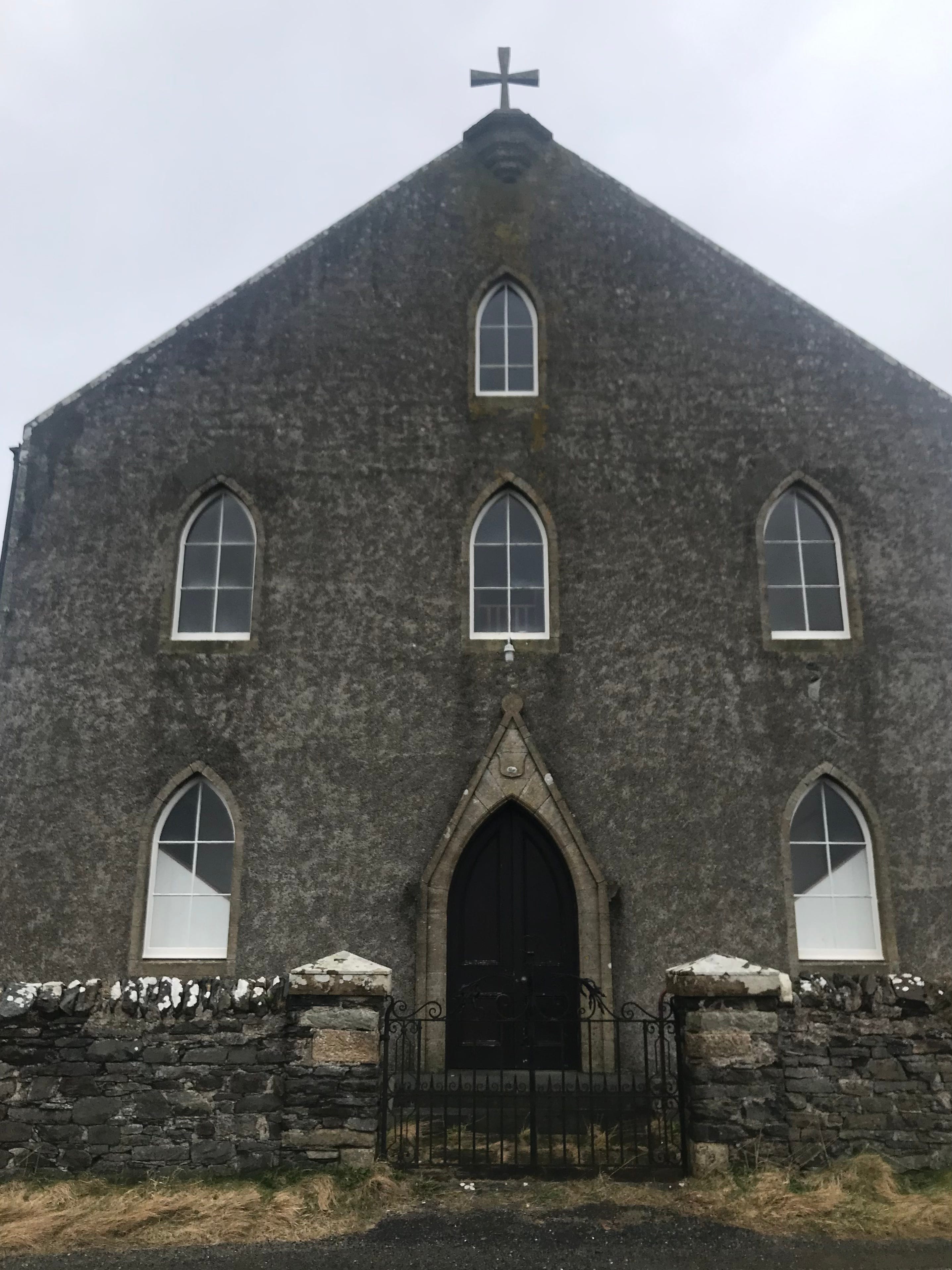
Bruce Wilcock, our next door neighbour and legendary Yorkshire (via Shetland) blacksmith, toolmaker, boatbuilder, heavy-horse keeper, shoemaker, artist, navigator, gunsmith and owner of a dog called Lad, made the gates of the Hillswick Church. They were his gift to the congregation and they are for sale, along with the rest of this huge 1869 Godshed, for £40,000. Offers over.
Externally, the Hillswick Kirk is not pretty, but it has a certain glum charm with its sightless plain glass windows, its grey eminence. It dominates the village with Shetland’s highest point, Ronas Hill, soaring behind, and in front the enclosed voe of Urafirth, opening out to St Magnus Bay. It waits and watches for sea travellers, fisherfolk, traders and the all-washed-up.
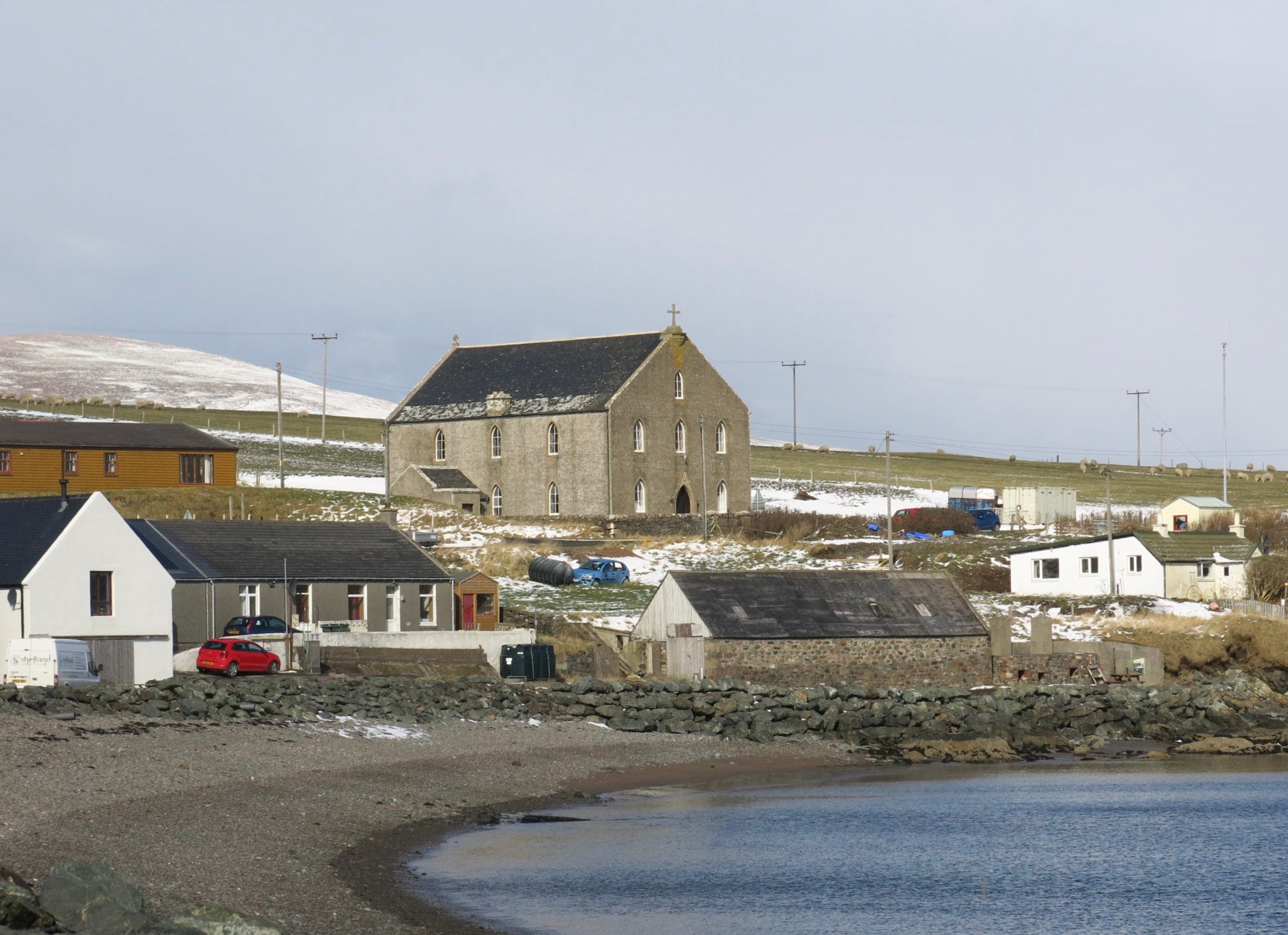
George Anderson, local merchant, built the kirk as a gift to his community and penance for his presumed sins. Before that, there was a huge, 500-capacity church, named for St Magnus, where the old graveyard now is, a circular island between two seas, surrounded by salt marsh. This was the site of an ancient Pictish broch, and a monastic settlement was nearby. We live in the former Manse, itself partly Georgian, partly a much older haa or hall.
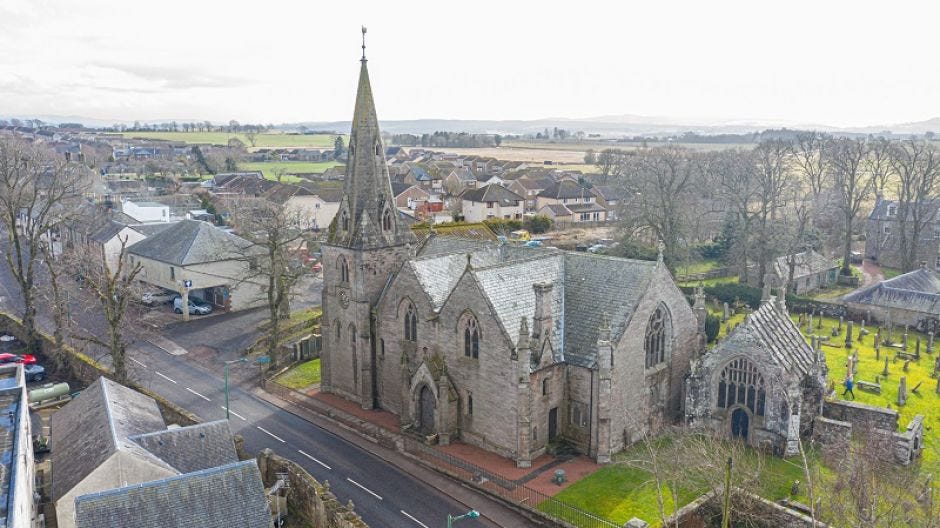
The Church of Scotland is desperately trying to maintain its failing life support systems by selling packages of property, and the Hillswick Kirk is a recent example. It’s just been taken off the market while local folk scrabble to put together a community bid, so it can continue to be used for major local events, personal and public rites of passage like christenings, marriages and funerals, as well as performances of music and drama, exhibitions and events. The likelihood of success is small.
A look at the “properties for sale’ page of the Church of Scotland website recently showed no fewer than 16 disused churches for sale or under offer, from Kirkcudbright to Unst, and ten other pieces of property – manses, land and other accommodation. In 2018 it was announced that Shetland, always a tough rig to plough for the national kirk, would cease to be a presbytery in its own right, merging with Aberdeen, and the number of churches open would be reduced from 31 to 11. Served at the moment by just two full-time ministers, though several retired and part-time clerics deal with funerals and other tasks.
Shetland has always been uneasy about its National Kirk ministers, and the reasons for this are traditionally rooted in the habit some of them had (not recently) of appropriating other people’s sheep by modifying clipped-ear identification marks to resemble their own. And there was 17th Century Hillswick minister Gilbert Mowat. As I’ve written elsewhere, “not just Northmavine’s most evil minister, but one of the most disreputable in the history of the Church of Scotland.” He was, truly, mad bad and dangerous. Rapacious in his acquisition of land, indulging his entourage in what seems very like gang rape, and travelling with his own personal hangman. As you do. Rev Hercules Sinclair (also Hillswick), his demolition of chapels and pursuit of witches? That’s another story. Or several. There have of course been saintly men and women down the centuries who have served Shetland with love and commitment.
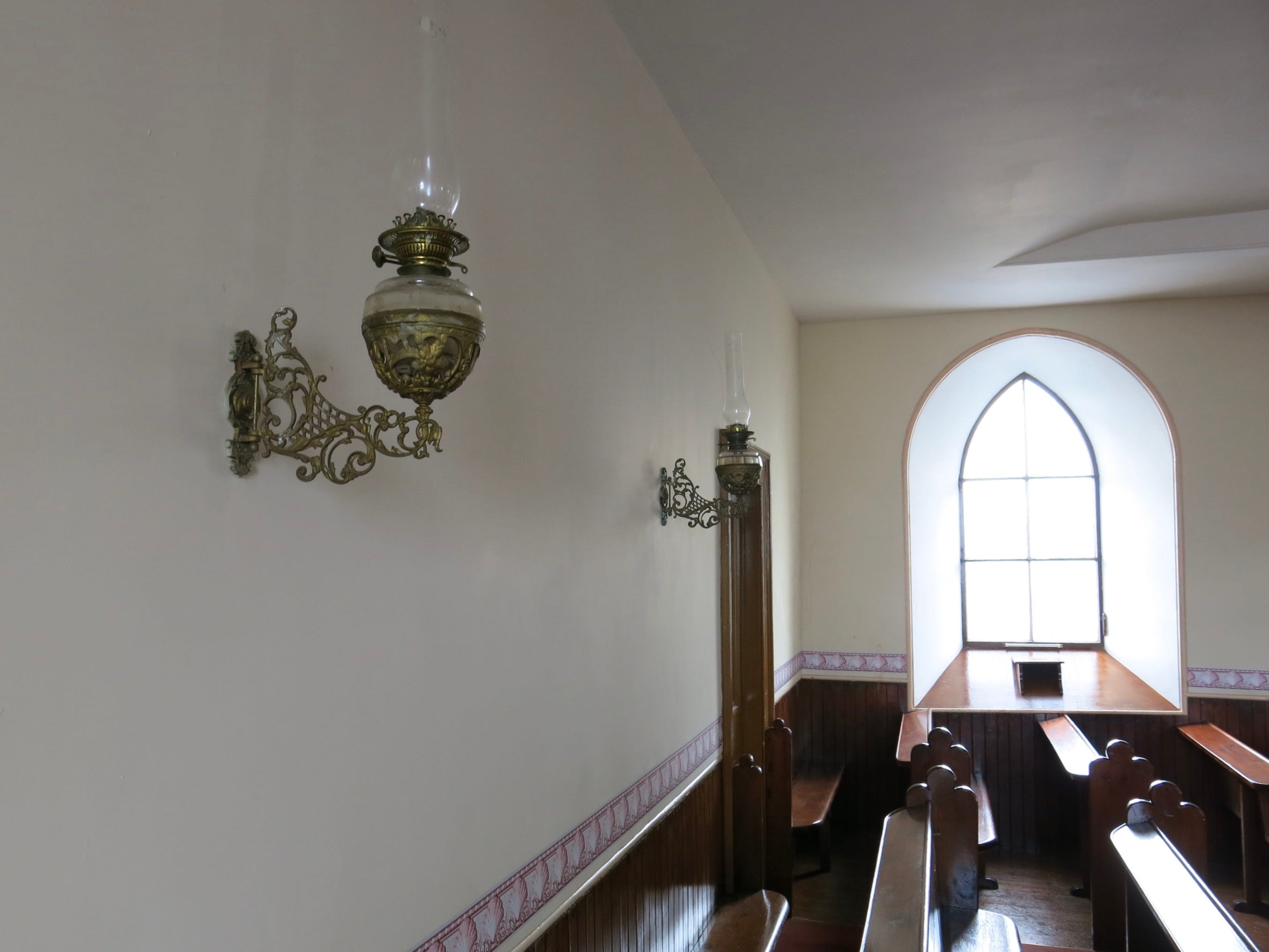
The accounts we have of past clerics are fascinating and important, but the tales told by the kirkyards and church buildings of Shetland and Scotland are more poignant. These kirks are not empty; they are boxes of memory, full of the actions of brave men and women in wars near and far, the remembrances of lives well lived and some cut short. Weddings, funerals, baptisms. Whispers of glory. These buildings were rarely built by the central Church, but, as in Hilllswick, by wealthy locals or by subscription. They were maintained by local folk who did the work for nothing.
The Church of Scotland is diminishing nationwide and is in essence abandoning Shetland like an old hulk of a sailing ship, leaving a skeleton crew aboard to pump and patch. My first broadcasting job was commentating for live TV on the General Assembly of the Kirk in Edinburgh, at that time, 40 years ago, a major media event with entire afternoons on BBC1 Scotland given over to proceedings. It was seen as the closest thing the country had to a parliament and the creaky old joke was that the brothels of Edinburgh were never busier. Now the Kirk is dying and to keep its basic functions flickering in the population centres, is selling off its soul, stone by consecrated stone.
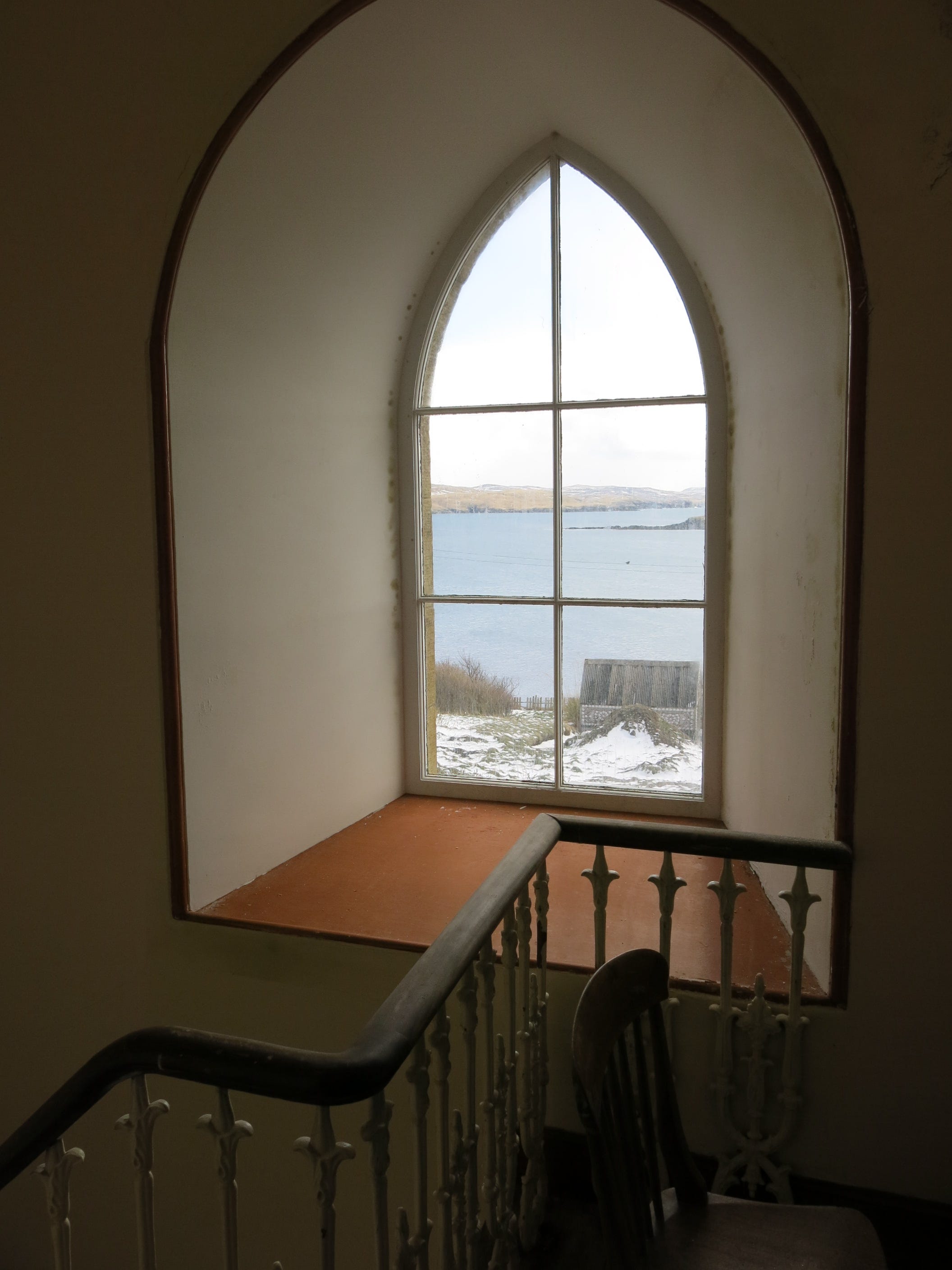
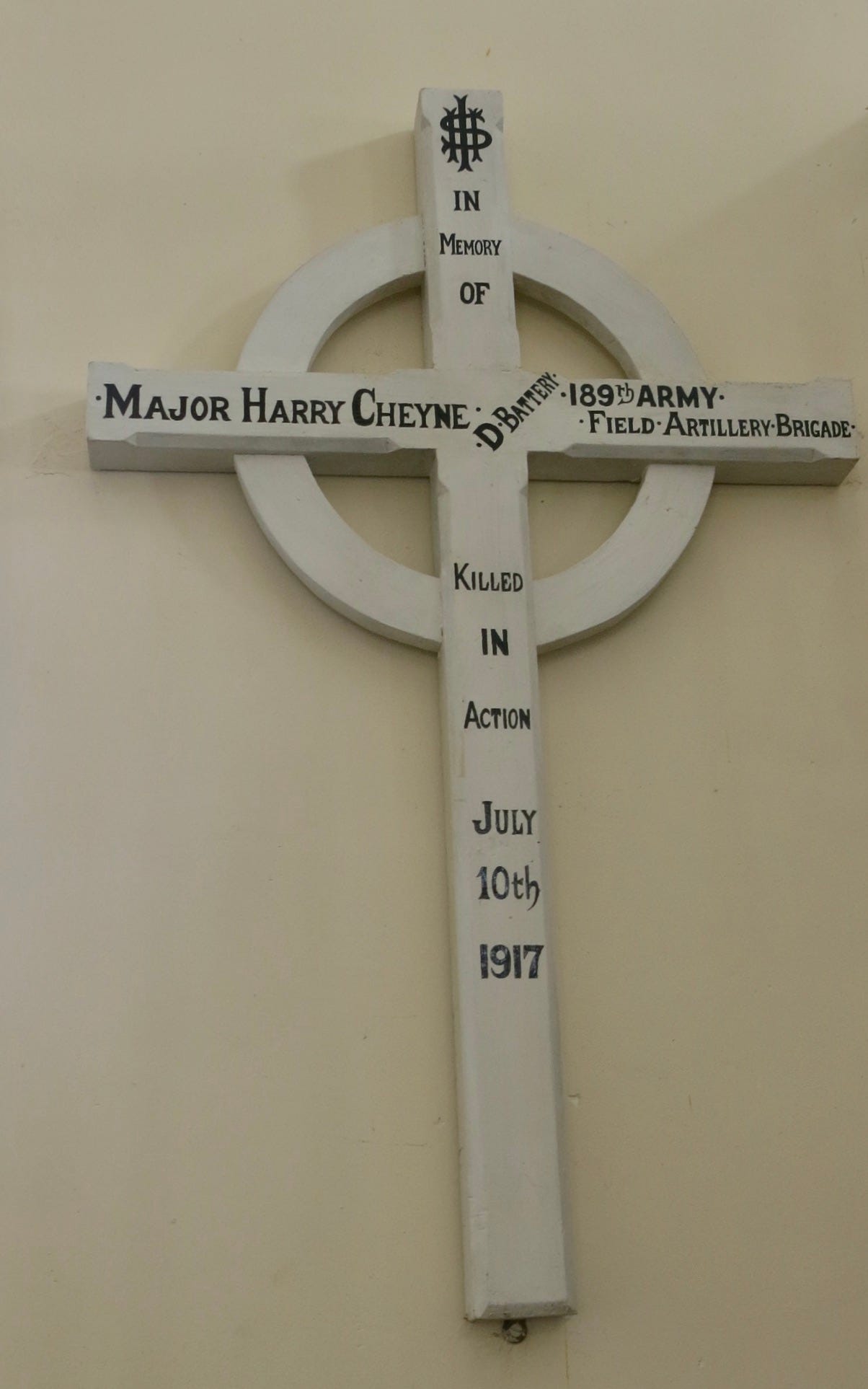
These kirks are places where, no matter your belief, it’s undeniable that God has been worshipped, sometimes for hundreds of years. Preaching and prayers have invoked the divine and marked for local communities the passing of time, the beginnings and endings of lives. War memorials and plaques of remembrance festoon the walls. Children have sung here, tears have been shed, Christmases welcomed at midnight’s Advent, tragedies reckoned with. These are serious places, as the atheist Philip Larkin wrote, wondering what would happen when, as he thought inevitable, a church closed and fell into disrepair, still retaining in its diminishing structure the sense of being a holy, if pagan, place:
Power of some sort or other will go on
In games, in riddles, seemingly at random;
But superstition, like belief, must die,
And what remains when disbelief has gone?
Grass, weedy pavement, brambles, buttress, sky,
A shape less recognizable each week,
A purpose more obscure. I wonder who
Will be the last, the very last, to seek
This place for what it was…
I believe the Church of Scotland would be better accepting that it has a duty to these houses of God, in exactly the same way that it does to its graveyards. That it is a trustee of memory, of community, of these great and often beautiful time machines planted across Scotland, these carefully built stores of data, stone hard drives of love and history. They tell us our own stories, these old churches. No-one needs facile sermons about being nice to one another. We do need to know our own pasts, the pasts of the places we live. These stones talk, and we should be allowed to keep listening. The Church of Scotland’s Mission to the communities it once served should be to gift them these storehouses of love, not flog them to the highest bidder.
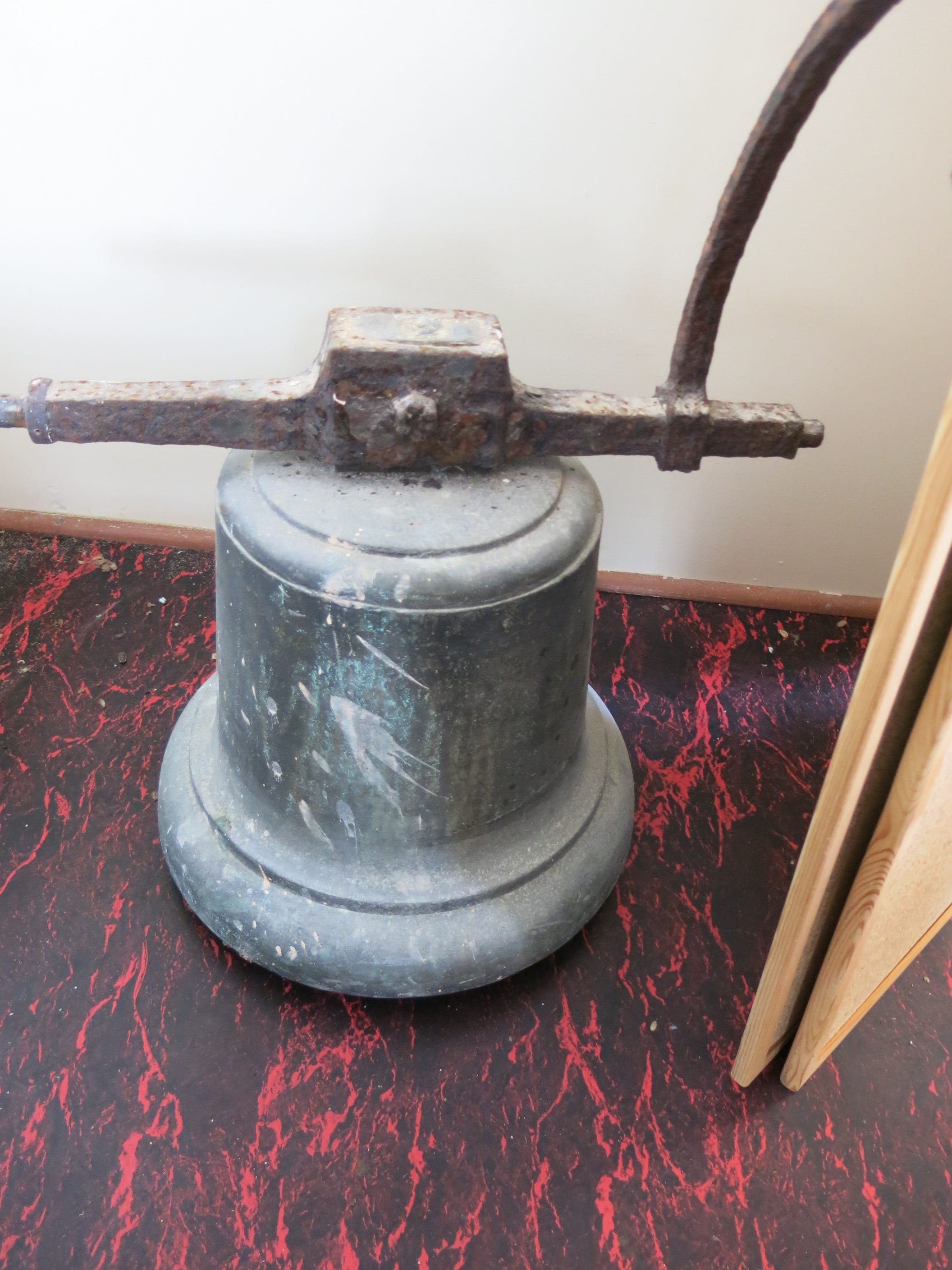
Some of us in Hillswick would like to preserve and restore the old kirk. It should be a living repository of memories that can continue to absorb and relay them, renewing itself through a host of activities and services. A place where we provide space for crafts, concerts, offices, businesses, exhibitions about the likes of the monstrous Gilbert Mowat and his predecessor at Hillswick, the more formidable Rev James Pitcairn, royalist power broker and machiavellian manipulator of the great and the very, very bad.
Is there the local will for this to happen? Do sufficient people care? Or will the Hillswick kirk become a luxurious set of Airbnb apartments, an agricultural storage unit or just an increasingly decaying pile of eventual rubble, a symbol of the Church of Scotland’s inevitable slide into ruin and irrelevance?
Stones speak. Seriously.
Since someone will forever be surprising
A hunger in himself to be more serious
And gravitating with it to this ground
Which he once heard was proper to grow wise in
If only that so many dead lie round
Quotes are from ‘Church Going’ by Philip Larkin.

Leave a comment