
On day four without power: a reflection on snow, Shetland and survival
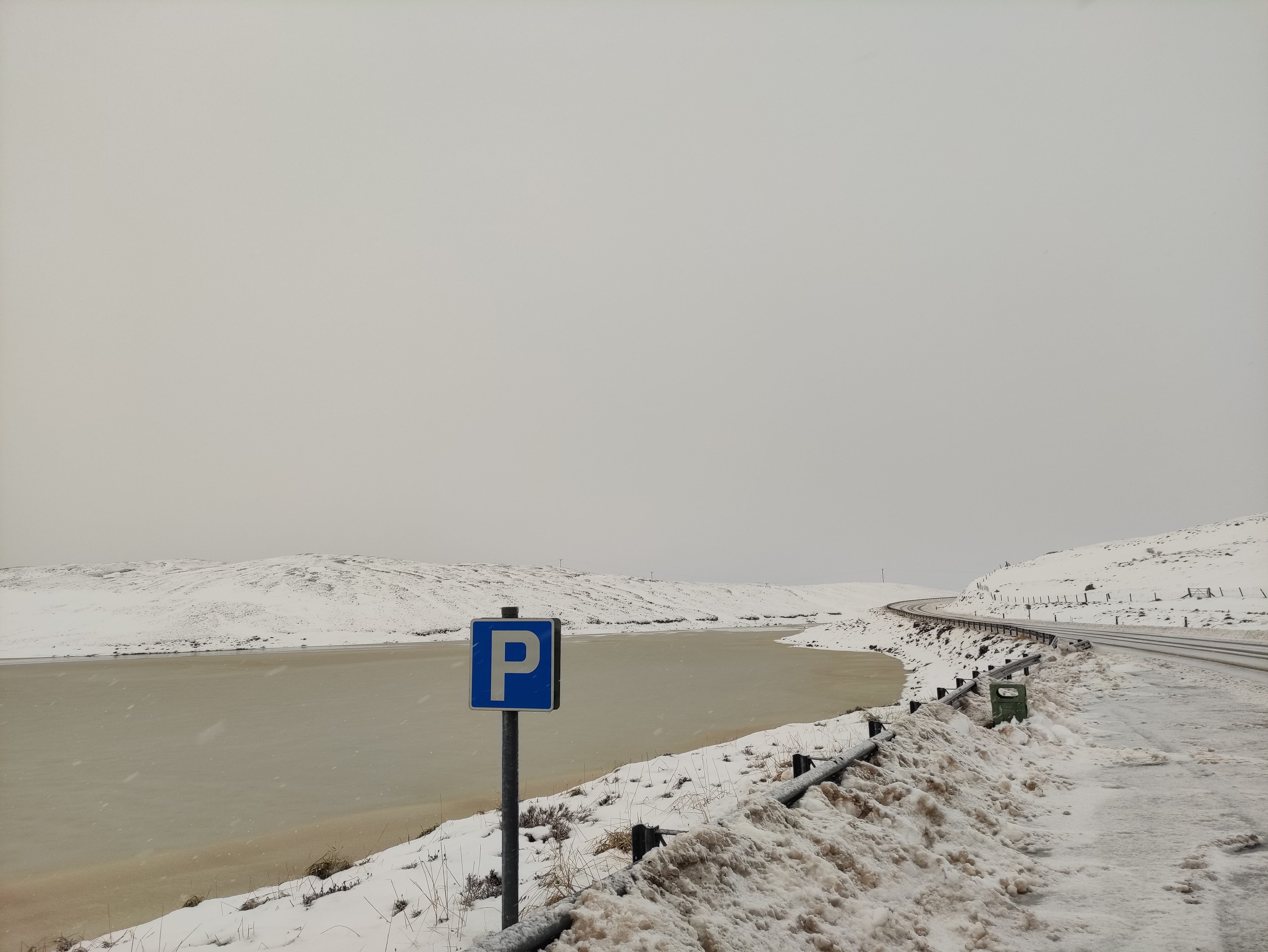
I have always loved snow, and as a child I longed to be stranded by it, preferably somewhere warm and fully equipped with crispy bacon sandwiches and chocolate. At Christmas.
This was the fault of two writers, CS Lewis and Arthur Ransome. In the case of Lewis, I would re-read the first part of The Lion the Witch and the Wardrobe, right up to the coming of Santa Claus and the feast at Mr Tumnus’s house, again and again for comfort and to inspire the hunger that has hallmarked my entire life of longed-for mealtimes. Cosiness and consumption. Joy, presents and the aching whiteness outside. And yes, the nagging sense that, aligned just slightly with Edmund, there might be something to this Turkish Delight business.
And then there was Arthur Ransome’s Winter Holiday. By far the best of the Swallows and Amazons books, with its panorama of a snowbound Lake District and the epic sledge trek to ‘The North Pole’ – an isolated summerhouse at the top of a completely frozen lake. Ransome, much derided as the epitome of stuffy posh uber-Englishness, was actually a fascinatingly ambivalent character – bohemian, war reporter, spy (for MI6 and very possibly a double agent for the Comintern), close observer of the Russian Revolution, friend of Lenin. Winter Holiday’s icy filmic sweep anticipates, at least for me, parts of Dr Zhivago. No coincidence, as Ransome famously fell in love with Leon Trotsky’s secretary, Evgenia Shelepina and made a desperate escape with her (and a fortune in diamonds, later thought to be distributed to Soviet agents) through Sweden to Britain in 1919.
So, snow. I have been completely snowed in on a few occasions. In a manse in Macduff, in Alltnacriche near Aviemore (when temperatures plunged to minus 19) and in Shetland, in 1995, when, with all roads closed over Christmas, I had to row my wife down a partly-frozen Ronas Voe to a medical appointment
.
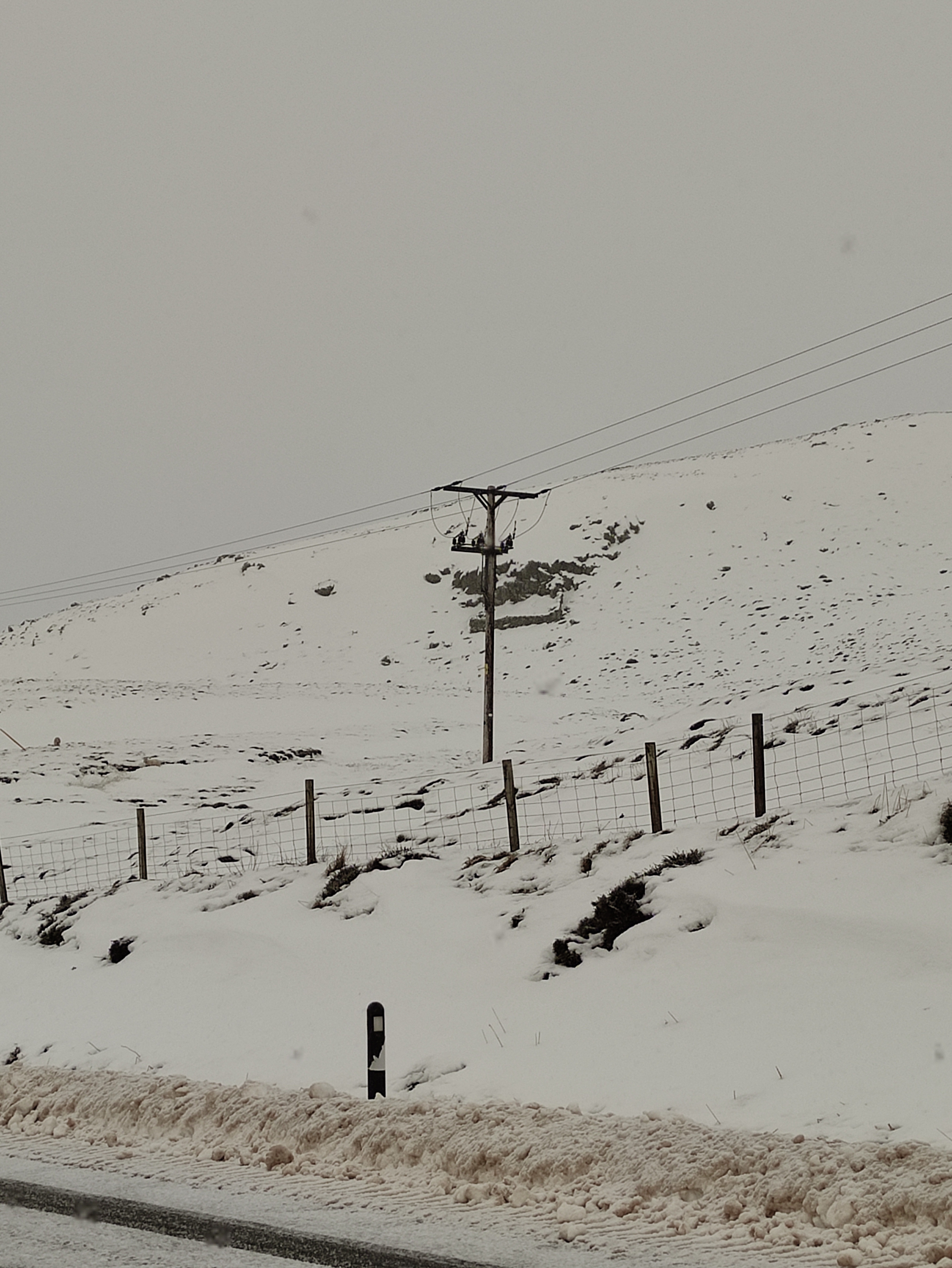
This week’s weather emergency in Shetland was not so much a case of being snowed in as snowed off. A sudden, massive fall followed by severe icing brought down dozens of power lines. The entire electricity infrastructure of rural Shetland was damaged in a way no-one had ever seen before. Initially, roads were difficult, if not impassable, though a lack of expertise and snow tyres caused motorised mayhem when it first fell. When I arrived in Shetland in the 80s, studded tyres, as in most Scandinavian countries, were universal in winter. Now, the fashion for so-called ‘all weather’ tyres saw rubber chickens coming home to roost on Monday night, as hatchbacks skittered into drifted verges and fake SUVs faltered. It was no time for tentative hybrids or humming electric vehicles. Two bags of coal in the back of the turbo diesel pickup, switch on four wheel drive and the differential lock, and remember: high gear and fast uphill, slow and low down. Avoid the brakes.
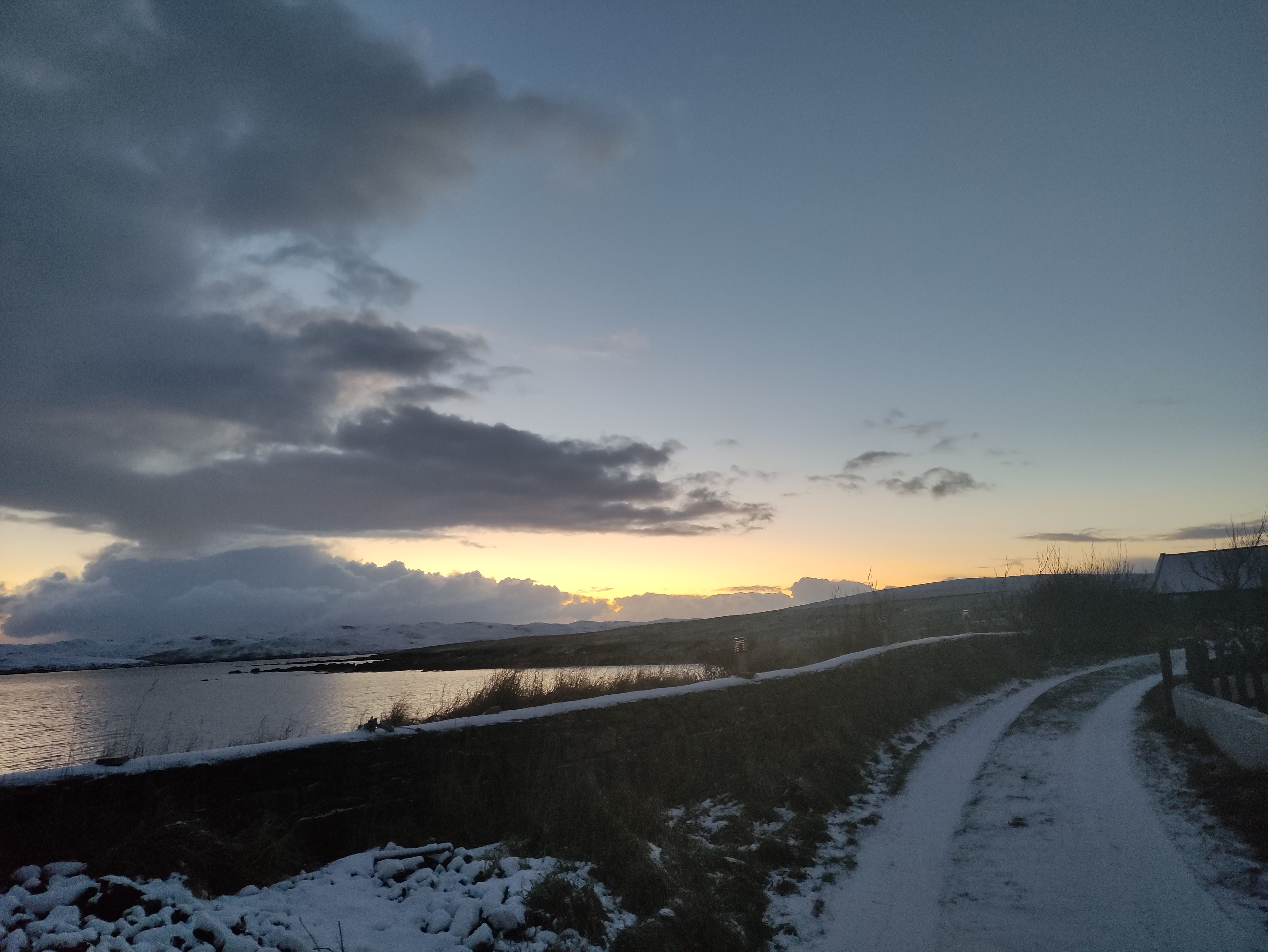
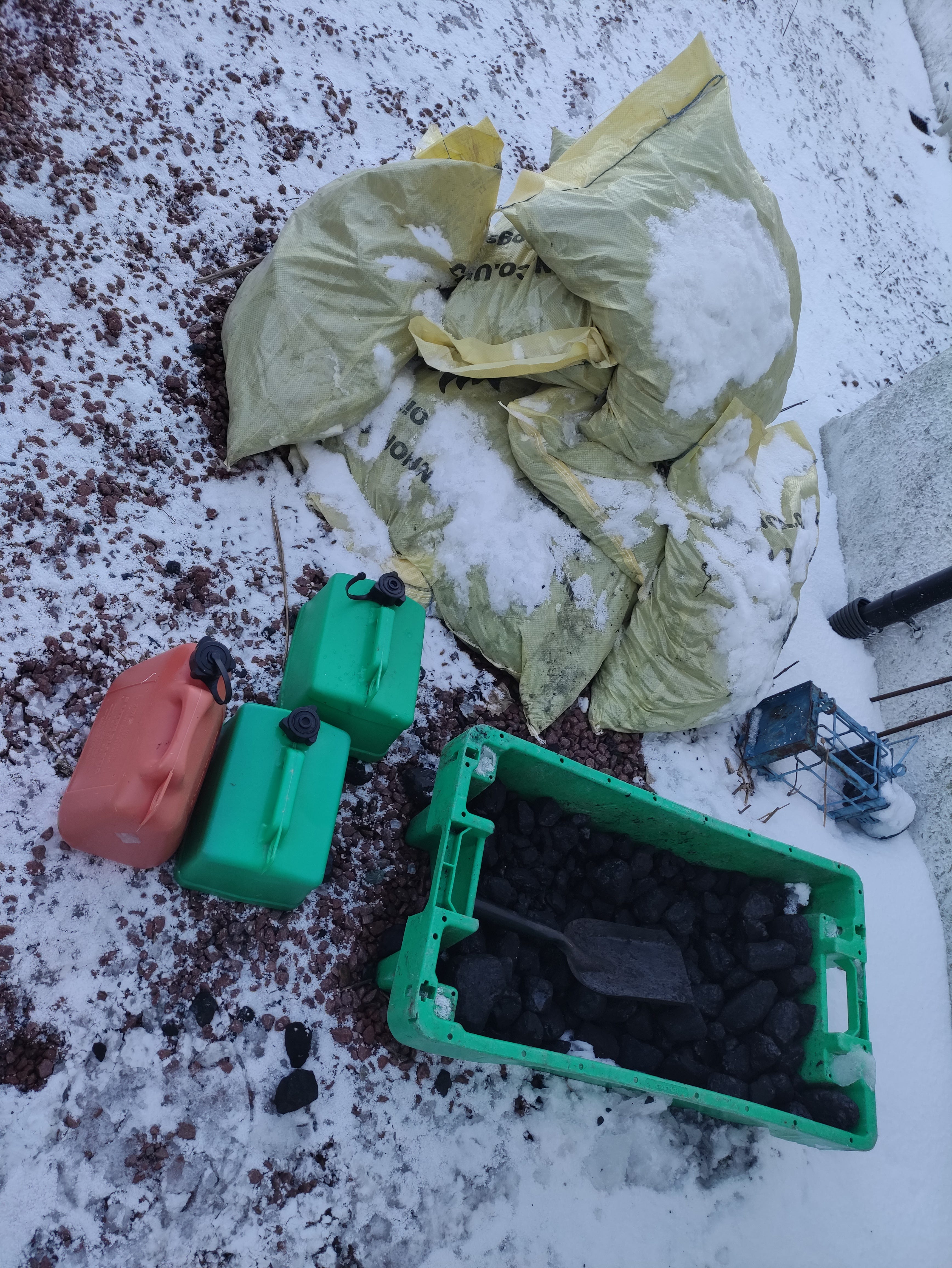
The real problem however, has been the lack of mains electricity, which has gone on longer than I have ever known it in 40 years. As I write on Thursday, we have been powerless since Monday afternoon, surviving in our old seaside house on petrol for the (Honda, always Honda) generator, kerosene for the heating boiler, propane for the cooker, peat and coal for the Rayburn stove. We are a one-house climate change disaster. But at least we haven’t had to abandon our home, as others, residing in new, fully insulated all electric luxury, have been forced do for the swake of vulnerable, cold children.
Hundreds, (literally) of Scottish and Southern Energy workers (universally knows as Hydro men, though they are not all male, obviously, and none of Shetland’s electricity comes from water) have been shipped north, but full repairs will take days. Perhaps hundreds of poles need replaced, miles of power line. Some communities will be served by big mobile generators while the network is renewed.
Shetland has dealt well with the emergency. The council, working with NHS Shetland and all the other agencies, has run an effective emergency service aimed at ensuring vulnerable people are found, fed and kept warm. Local volunteers have opened halls and hotels to provide soup and refuge. Our local surgery, at risk of losing thousands of pounds worth of refrigerated drugs when its generator looked like running out of fuel, was supplied at night by an intrepid team of coastguards. Meals have been delivered to the elderly and as the batteries in emergency alarms run out, neighbours are checking on neighbours more often.
The situation does raise some issues: are overhead lines really the best way of providing a power network in an exposed environment like Shetland? Especially with the vast Viking wind farm coming on stream next year and its methods of distribution under scrutiny? And as we aim for that much vaiunted ‘Net Zero’ and the abandonment of carbon fuels, what is to happen to my Toyota HiLux, my peat banks, my petrol genny? I think I’ll be hanging on to them for a while yet.
***
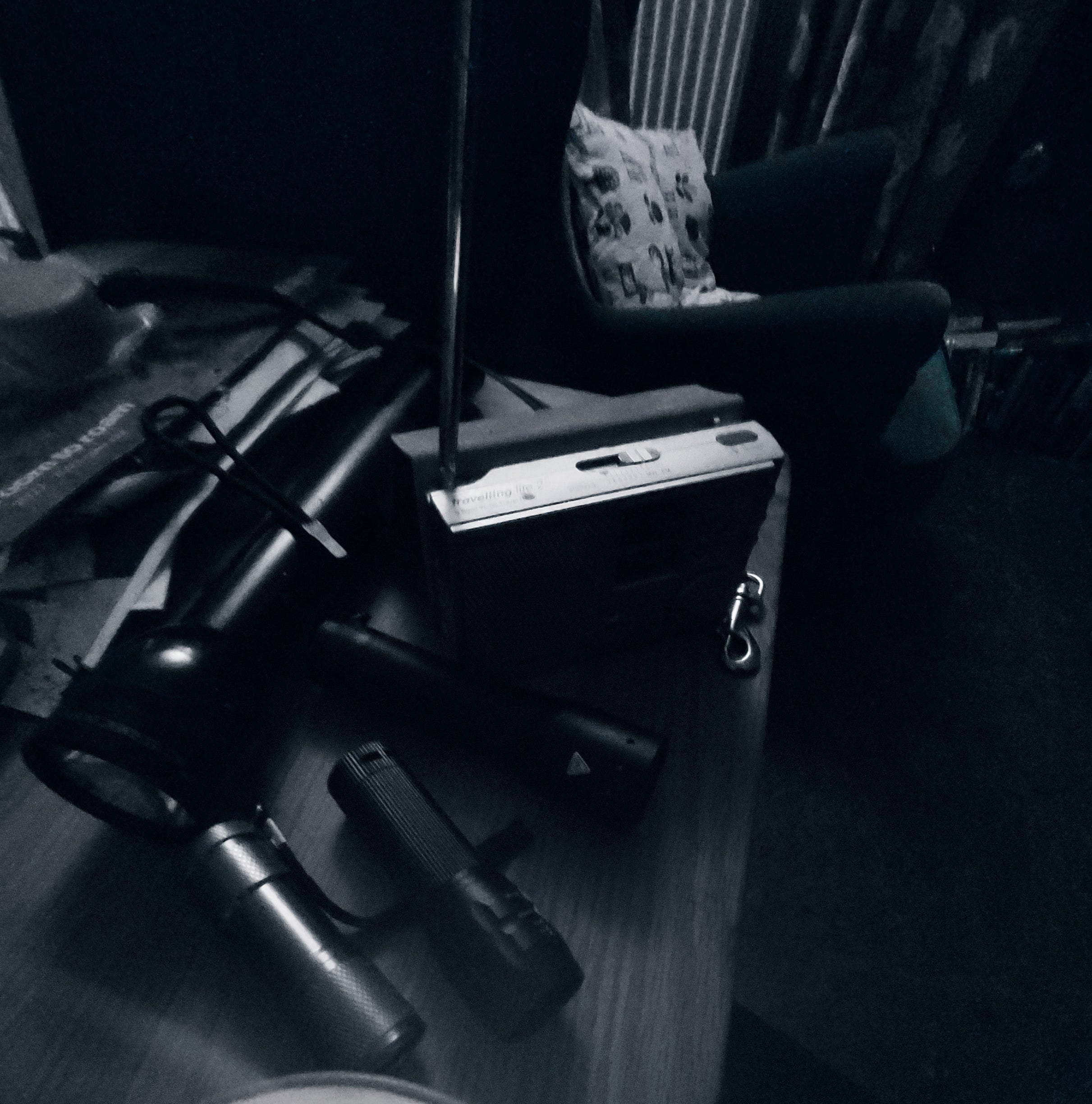
An automatic message from SSEN (not psychic automatic writing; I am a little over-paranormaled by reading Hilary Mantel’s stunning horror comedy Beyond Black): We will be reconnected by 6.00pm tonight (Thursday). Suddenly, the household mood lifts. All the things we cannot do (due to risk of tripping the generator, burning it out or otherwise annoying Mr Honda) like washing clothes, hoovering, toasting and using the electric kettle) will be back on the agenda. Every time a fridge or freezer kicks on, the lights dim. All, not just some of the illumination will be on, and at this darkest time of the Shetland year, we need it. Otherwise this ancient house is all lurking flickers in shadowed corners, the dimness sucking energy out of you, only the mutter and murmur of Radio Four on my old Roberts transistor accompanying too-early bedtimes and awakenings
.
***
Then I meet Stewart from the hotel, both of us on generator replenishment duties. “Just until six!” I yell cheerily.”
“On Wednesday,” he replies darkly, “I hear…”

Leave a comment