
Are you ready to sell your soul? And your hot water bottles? Is vinyl really ‘a zombie format’? As Christmas looms, it’s music and mammon time
The following tracks illustrate what is a chunky piece of text (3000+ words). You can listen to me reading the essay, with the tracks in full, on Mixcloud here:
BUT YOU DON’T HAVE TO! You can listen to just the music, WITHOUT my calm and measured rantings, in a separate Mixcloud show, here:
https://www.mixcloud.com/tom-morton2/just-the-music-from-my-taylor-swift-god-music-and-mammon-essay/
Taylor Swift — All Too Well
Bob Dylan — Tangled Up in Blue
Del Amitri — Sticks and Stones Girl
Del Amitri — Roll to Me
Legendary Hearts — Cold Christmas
Sacred Angels — Peace at Christmastime
Tom Morton and the Fleshly Ears — Surprised by Joy
Tom Morton and Graeme Duffin — Walking in the Morning
Ricky Ross — Good Evening Philadelphia
Orange Juice — Rip it Up
The Nectarine No 9 — Saint Jack
Paul Quinn and the Independent Group — Stupid thing
Eric Faulkner — Joyful Peaceful Christmas
Eric Faulkner — Haste Ye Back
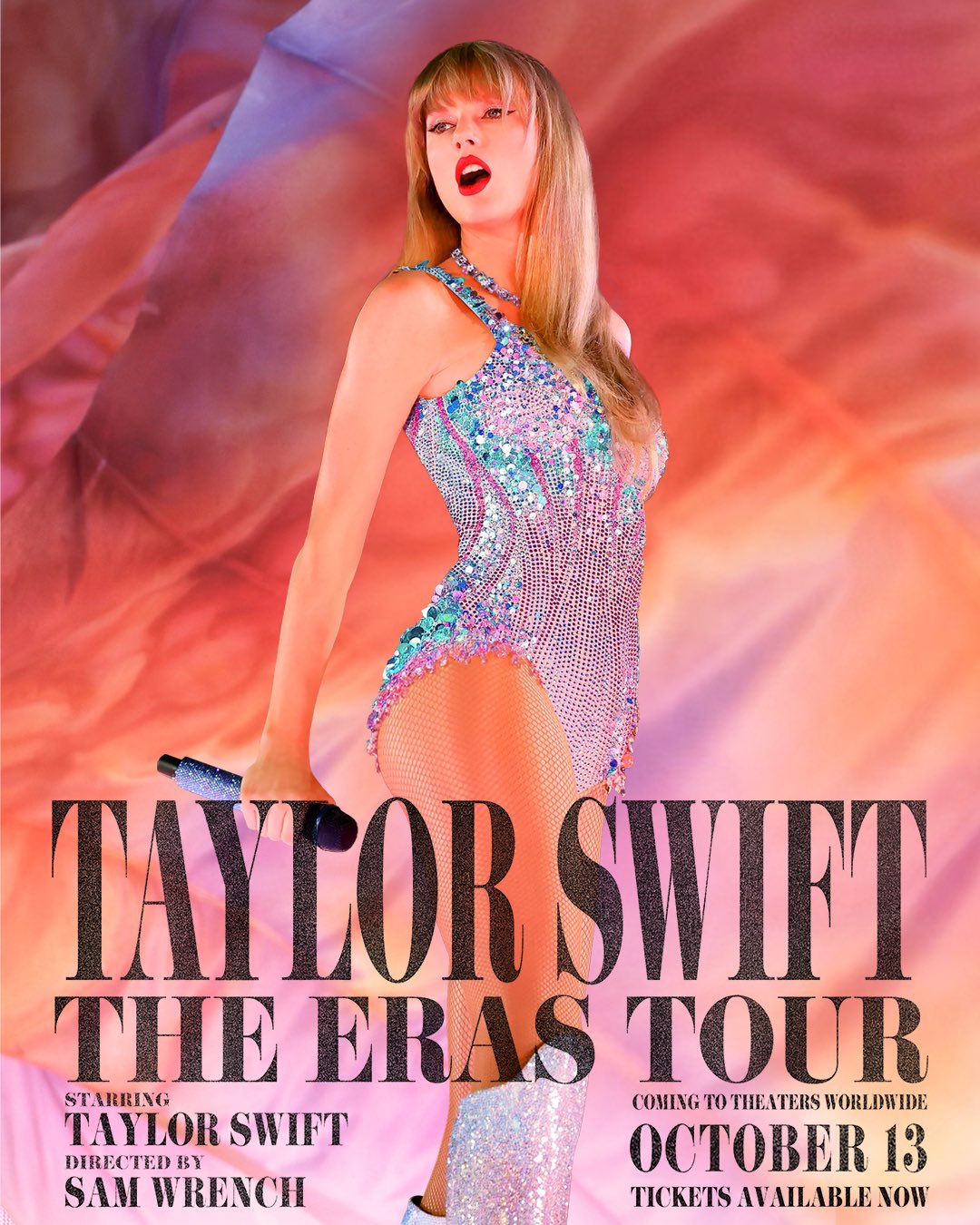
Awake at 5.30am, waiting for the camomile to kick in, and a picture of Taylor Swift swims across one of my social timelines. She’s dressed, almost, in a weird, semi-transparent showgirl basque, one of many costumes she’ll switch into and out of during a show. You wouldn’t get Bob Dylan doing that.
Or maybe you would…
Catch one of Taylor’s in concert videos and her on-stage persona is sweet, personal, intimate and generous. There’s nothing imperious and dominating – she continually undercuts the glamour with back country Nashville cuteness. She’s Dolly Parton in a game of Let’s-Play-At-Being-Madonna.
And Like Dolly, she’s a killer songwriter, a consummate musician, wielding a huge intelligence and fiscal insight with the finesse of a D’Artagnan or the brutality of a Tyson. Not just a great commercial artist, though, but one with real depth and power.
Which means I say to Susan, also awake, something along the lines of “Taylor Swift is a genius.” and Susan replies “I don’t think I know what she sounds like.”
Because Taylor, biggest star in the world, exists not in the world of CDs and albums of we 60-something music fans. She’s not on Radio Two that much. She’s on a zillion Spotify playlists (having battled the Swedish giant to get what she sees as fair recompense for her artistic wares).
“Alexa”, play Taylor Swift’s All Too Well”…
It’s the re-recorded 10-minute ‘Taylor’s Version’. Every time I hear it something new leaps out lyrically. The circularity of the scarf image is a given, but all those other details, so personal – her father, the car. It’s Dylan’s Tangled Up In Blue, updated. Dylan’s funnier, though (“You look like the silent type.”).
All Too Well is currently heading for 800 million plays on Spotify. Probably around £4m in income.
Tangled Up In Blue is at a mere 93 million. Not bad for an old curmudgeon who can’t sing and doesn’t (so far as we know) wear a basque.
Taylor Swift — All Too Well
Bob Dylan — Tangled Up in Blue
But then there’s everything else. Physical sales, downloads, radio plays, sync (use in TV, games and film). Sometimes actual record sales don’t provide an artist’s main income. There’s a throwaway line in the Del Amitri biography These Are Such Perfect Days about the band (just Justin and Iain by now) earning little or nothing from actual sales of their A&M catalogue after the recouping of advances, recording costs and the like. But with a top ten single (Roll to Me) in the USA, and the consequent downstreams of the mid-1990s, plus the knock-on effect on gigs and later records, publishing, the actual song itself, the words and music, provided them with, well…acceptably serious wealth.
Del Amitri — Sticks and Stones Girl
Del Amitri — Roll to Me
Meanwhile, in Peebles…

My friend Ali Wilson, the Jim Keltner of Peebles (only taller) has a Christmas single out under his long-term pseudonym The Legendary Hearts, available to buy on 7-inch vinyl for £7.99 here. It’s an excellent piece of positive sleighbell pessimism called Cold Christmas; watch the video here.
It’s a double A-side, so flip the piece of black vinyl over and you have the Sacred Angels, with the formidable vocals of ex-Pop Wallpaper singer Audrey Redpath and the highly relevant Peace at Christmas Time. Also terrific.
Perfect timing, you may imagine. Good cover. An artifact that will sell a sledload in the run-up to Yule. Buy a dozen.
Except this is its second year of release and last Christmas it didn’t exactly set the snow on fire. In fact, Ali has had to warehouse the stock of vinyl and is relaunching the record in the hope of of recouping some of his not inconsiderable outlay. Because he paid for the whole thing – studio costs, mastering, artwork, video, pressing and distribution – out of his own pocket.
And good on him. This is the traditional model for musicians of self-releasing recorded music: have faith in yourself and your talent; pay for everything (band session fees, gear hire, studio, mastering, pressing, printing) upfront and sell at gigs, online and in shops. It’s publicity and sometimes a payday, if things turn out right. It could lead to interest from radio stations, TV, and maybe even a big record company who could sign you up and make you a star. He’s boosting promotion this year with the availability, he tells me of Cold Christmas oven gloves, and Legendary Hearts hot water bottles may follow.
Legendary Hearts — Cold Christmas
Sacred Angels — Peace at Christmastime
This was the core template in early punk rock, fuelled in the late 70s by self-published fanzines and an enthusiasm for DIY independence in everything from recording to distribution. Technology evolved. Cheap studios, cassette Portastudios and relatively affordable reel-to-reel multitrack tape recorders meant you could produce something that sounded half-decent at home or in a handy shed. If you were in a niche genre with enthusiastic followers, possibly with a mailing list, or access to the micromedia of a fanzine, you could at least make a record wash its financial face. But it was always a gamble. You were taking a punt on your own talent, and sometimes you won. Sometimes luck, not genius, paid out like a puggie. Sometimes you lost and the bad breaks brought brilliance low.
God bless the child
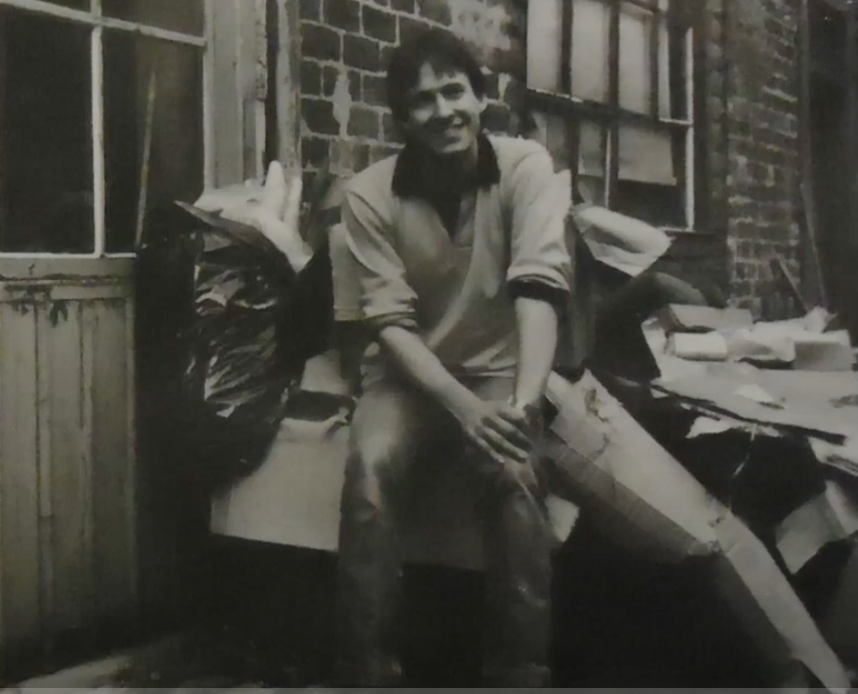
In the late 70s and early 80s, as an earnest purveyor not of punk but preachy, evangelical Christian folk rock, I was busy self-publishing my stuff, first with an EP by the, ah, humorously named Prendergast Smythe Band (recorded at Gospel Radio Fellowship’s two-track studio in Argyle Street, Glasgow). Then an LP called Out of the Harbour with (later Wet Wet Wet’s guitarist) Graeme Duffin, recorded in Sydney Devine’s Kirkland Park Hotel studio in Strathaven. And finally with a solo album, Weimar recorded in a Yoker railway arch. By a man called Archie. All involved desperate financial calculations and mad 24-hour round trips by hired van to pressing plants in Watford to collect boxes of black plastic.
Because my particular musical genre was as niche as niche could possibly be, my market was reached through small concerts in churches and halls throughout Scotland and Europe (full retail markup) a mailing list (a monthly ‘prayer letter’ to hundreds of supporters) and sales at Christian bookshops like the old Pickering and Inglis in Glasgow’s Bothwell street.
In other words, it was all about the fans.
Tom Morton and the Fleshly Ears: Surprised by Joy (R. Ross. From the album Weimar)
Tom Morton and the Flesjly Ears — Walking in the Morning (From the album Out of the Harbour)
I had subscribers of a kind too. People who pledged to support my full-time ‘ministry’ with monthly standing orders because they shared my fundamentalist beliefs and wanted to support my role as a spreader of the gospel. Cash gifts and support in kind came in as I pursued, for four years, a path that now seems strange and in a way exploitative. Folk provided food, accommodation. Cars. And if you’re familiar with the current models of arts funding you’ll see the resemblance to Patreon, Substack, Mixcloud and the whole crowdfunding economy. These kind fellow believers were my patrons.
Nowadays the technology has changed but the model for niche viability as a performer (and maybe even for preachers) is the same, only digitized: you need to harness your fans to give you money so you can live.
In my case, the appeal wasn’t just the questionable quality of my not-brilliant art; there was God to help, and thank – people were ‘supporting the ministry’ as well as owning something to sing or nod along with. My late mother ran the mailing operation for Out of the Harbour from her house in Alloway, and the offer of both an album and a cassette for a discounted £3.50 proved attractive. We pressed 2000 copies and I was able to pay my dad back the loaned £1500 the entire Out of the Harbour project cost, plus made a few hundred pounds in profit.
A couple of years later on separation from evangelical Christianity and the gospel music scene, in a fit of downsizing rage I dumped the hundred or so LPs remaining in a skip. They disappeared overnight and for months later turned up in second-hand record shops throughout Scotland, gradually increasing in value as Graeme’s fame escalated. Such is the second life of old vinyl. It’s been dearer, but it’s still £30 on eBay…
Nowadays you don’t have a fan club, or a prayer list (maybe you do if you’re a journeyperson gospel singer, I don’t know). You have a Patreon page, Substack, Mixcloud subscriber offer, a GoFundMe or a Crowdfunder. You certainly in addition, have your socials all lined up – Facebook, Xitter, Threads, Bluesky, Instagram. You’re pushing videos on TikTok and YouTube. You’re looking for subscriptions, pleading for contributions, for supporters. In other words, you’re looking for a fan club, to establish a fanbase. Interestingly, this was exactly what the early Del Amitri, brilliantly managed by Barbara Shores, did to build the foundations of their success back in the 80s, using postcards, stamps, pen, paper and mailing lists).
You will be trying to add value to the listener’s experience of…you, providing time and goodies to your followers. You want to make them your pals. But it’s a a very short skip away from panhandling, pleading for cash, begging for help. And it’s not like a 60s fanclub in that you, the performer is now the supplicant, not the audience. As Ricky Ross wrote in the raging, despairing, accepting song, Good Evening Philadelphia, “I realise…I need you more than you need me…”
Ricky Ross — Good Evening Philadelphia
I like that with Ali’s record, he’s stubbornly avoided the search for patronage. However, good as it is, these days a record cannot be sold simply on quality and mentions on social networks. It needs a commitment from a fanbase that already exists, and partly due to Covid, the Legendary Hearts did not and do not function as a touring, performing act. Even the most established of bands, the most beloved of heritage acts, needs to to cultivate and secure a fanbase through constant contact, special access, offers, house concerts, signings and the like. You need to sell yourself.You need to brand and sell your soul, all the time, over and over again. You need to be beholden.
But is that what you really want? Do you want the person who’s paying £3.50 a month to be messaging you daily, demanding not just attention, but personal contact? Turning up at your door with strange gifts (never eat the cake, Terry Wogan sternly warned), or with a guitar, chasing you with their own songs they insist you should perform? Getting your phone number and stalking you across the internet? Befriending your relatives under assumed names? For all the generous and genuine supportive folk on your Patreon, are you prepared to put up with a potentially threatening stalker, or 12? Who feels entitled as they’re paying you, employing you, as they see it, for special access? It’s the price not of fame, these days, but even of bumping along the bottom of the public performance pool.
And that’s perhaps the advantage Ali has – he’s not beholden to anyone. He has something valuable and good and you can buy it if you want. You can pay to hire his band for a function, and you will get value for money. His oven gloves and hot water bottles are of the highest quality! Or go and see one of his other manifestations play in a pub near you, paying their fee indirectly through beer or food you consume.
You can buy Ali’s record. He owes nothing to anyone. Or wait for the oven gloves and download the tunes. He makes music, and if you like it, you can pay for it. Not enough to make a living, but then there’s the passion. Doing it for the love of it, as he has been since 1987. He has a job. He pays his way.
There’s an honesty about these transactions that demands respect. And it’s a good record. £7.99 of anyone’s cash will be well spent. Happy Christmas. Get an oven glove. Don’t burn your fingers
Perils of plastic
In the midst of all this contemplation of cash and fuzzy bar chords, I learned about the opening of a brand new record pressing plant in Tranent, East Lothian. Seabass Vinyl is coming – a little late, I would say – to the 33 and a third, long player party. There has been much media fever and fervour about how old-school plastic albums have been outselling CDs, and how even cassettes were making a comeback. A band can have a 1000 LPs pressed, complete with covers, and maybe, selling them for £25 and keeping the retail profit, make a few hundred quid. As someone who has (grits teeth) four record playing systems working in the house, including two high-end hifis,I have to say that in my opinion, vinyl is a zombie format. Cassettes and LPs are daft, dysfunctional souvenirs, collectors’ artefacts. The idea that they somehow sound better, ‘more analogue’ is, in the world of FLAC downloads, nuts. They’re cool, awkward, emotive things to possess. But they’re the past. They’re nostalgia.
Rip it up and start again
Grace Maxwell, partner and manager of the great Edwyn Collins, tweeted this week as the annual ‘Spotify Wrapped’ revelations brought everyone sight of what they’d played on the platform during the year, and gave artists some idea of how little or how much they’d earned from streaming.
There was a lot of moaning.
It’s the day of hand-wringing by musos about Spotify. It’s a major music business share owned company, whaddya expect, Santa Claus? Stop whining and make a better one why don’t you? (Don’t say Bandcamp blah blah)
To which I replied
Absolutely. The problems are scale and access. Millions of mediocre musos who’d never have got near a studio, let alone a record label in the 70s or 80s, now think social media gives them a right not just to be heard, but an income.
Grace continued:
It’s hilarious. There’s a lot wrong with Spotify et al but it can still reward talent + huge effort/creativity. Far fewer gatekeepers than in the 80’s. Postcard etc would have used and abused it with gay abandon and reached the world. Maybe even have made a bit of money.

Orange Juice — Rip it Up
The Nectarine No 9 — Saint Jack
Paul Quinn and the Independent Group — Stupid thing
Well quite. Spotify (Amazon Music, YouTube, Tidal, Apple Music etc) offer ways to subvert, engineer and twist the music industry, which is buoyant but much more open to both rubbish and quality than it has ever been. It’s time to get the oven gloves and the hot water bottles (or the White Stripes sewing kit, the teatowels and branded Zippo handwarmers, the postcards, for that mater) into the marketing arsenal. Streaming is like blank cassettes used to record off the radio. There are ways to make a living at music.
But…
You need to be brilliant.
You need to reliable.
You need to gig
You need to work
You need to be young enough
Tough enough
Ruthless enough
Ready to be hated enough.
You need to be Taylor Swift. Or Bob Dylan in a basque.
Though that may not be enough.
Or you can just do it for love. For fun. Take someone who was once in the world’s biggest band, who sold shedloads of records when records sold in millions, who broke America, played Madison Square Garden, had not just a fanbase but obsessed fans by the million…who could probably afford to simply spend his days watching antiques shows and quizzes on the TV and enjoying the fruits of his youth…

But Eric Faulkner of the Bay City Rollers is still writing, singing, recording and frankly, producing lovely, gloriously anthemic Scottish folk music, a lot of it for charity. And sometimes, you know, that’s enough.
Check out Eric’s website here:
Eric Faulkner — Joyful Peaceful Christmas
Eric Faulkner — Haste Ye Back
Other ways of making money…
Of course, in the music ‘industry’, there are other streams of income, some open to musicians, some not. Selling dreams, for example. The entire musical instrument industry, in particular guitar manufacture and retail, is about selling dreams, about imitation of heroes and hopes of emulating them. Buy that Noel Gallagher Epiphone Riviera or an Ibanez Joe Satriani JS2410 and you will sound just like them. Be them. Play that pub gig with your £10K of instruments and amps. Dream.
Then there’s ‘education’. Those ‘commercial music’ courses, many taught by time-expired rockers who embrace the pension-and-perks life of the lecturer with enthusiasm, relief and a million war stories from the road rat years. The hope of a future in professional music may sometimes be fulfilled, but not that often. There are the pop-up songwriting and instrumental weekends too, some of them offering genuine inspiration to folk whose ambition may only be improvement of their amateur status. All providing fiscal lifelines to the instructors, many of whom have to run their ‘portfolio’ musical lives on everything from teaching to guitar tech-ing and van driving. Journalism used to be an option. But nobody gets paid for that anymore…
Anyway, it’s time to stop. I have some shellac 78s I want to hear. Jimmy Shand, Fats Domino, Edinburgh Highland Strathspey and Reel Society. That sort of thing…
The playlist is available without annoying speech on Spotify
here, but lacking the Morton and Faulkner tracks:
You can hear a Mixcloud version, with all tracks and me reading the above text, here:
BUT YOU DON’T HAVE TO! You can listen to just the music, WITHOUT my calm and measured rantings, in a separate Mixcloud show, here:
https://www.mixcloud.com/tom-morton2/just-the-music-from-my-taylor-swift-god-music-and-mammon-essay/
Taylor Swift — All Too Well
Bob Dylan — Tangled Up in Blue
Del Amitri — Sticks and Stones Girl
Del Amitri — Roll to Me
Legendary Hearts — Cold Christmas
Sacred Angels — Peace at Christmastime
Tom Morton and the Fleshly Ears — Surprised by Joy
Tom Morton and Graeme Duffin — Walking in the Morning
Ricky Ross — Good Evening Philadelphia
Orange Juice — Rip it Up
The Nectarine No 9 — Saint Jack
Paul Quinn and the Independent Group — Stupid thing
Eric Faulkner — Joyful Peaceful Christmas
Eric Faulkner — Haste Ye Back

Leave a comment