
Machinery of human illumination
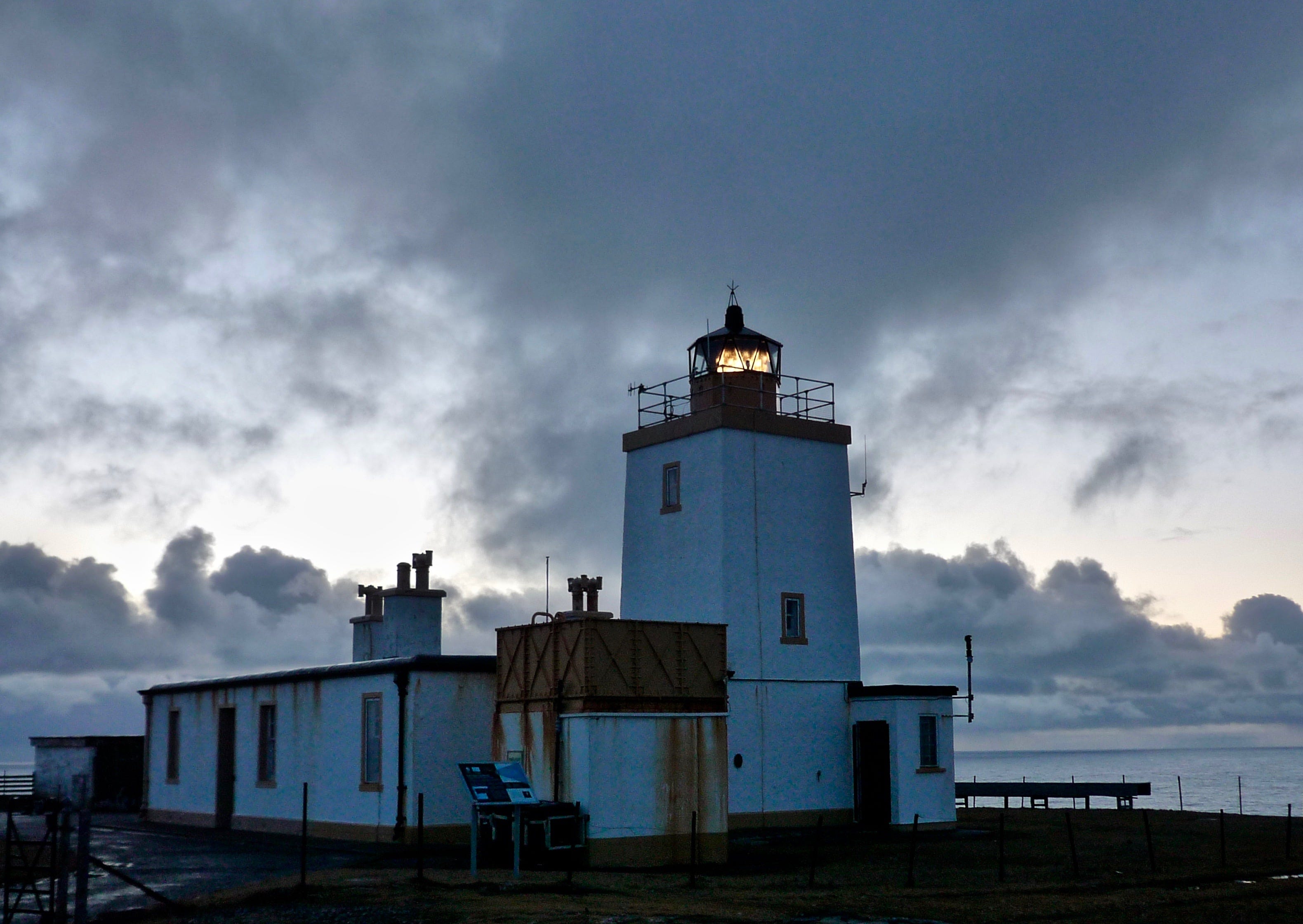
At 4.00pm, it’s light, fading. At 4.35pm, it’s darkness, falling.
A January Sunday in Shetland, beyond 60 degrees north. I drive up to the Eshaness lighthouse, one of the Stevenson masterpieces, about six twisty miles from our house. On the edge of Shetland’s most spectacular cliffs. On the edge of the world. Ultima Thule. Lights glint on the horizon from the Clair oil field, 47 miles to the north west.
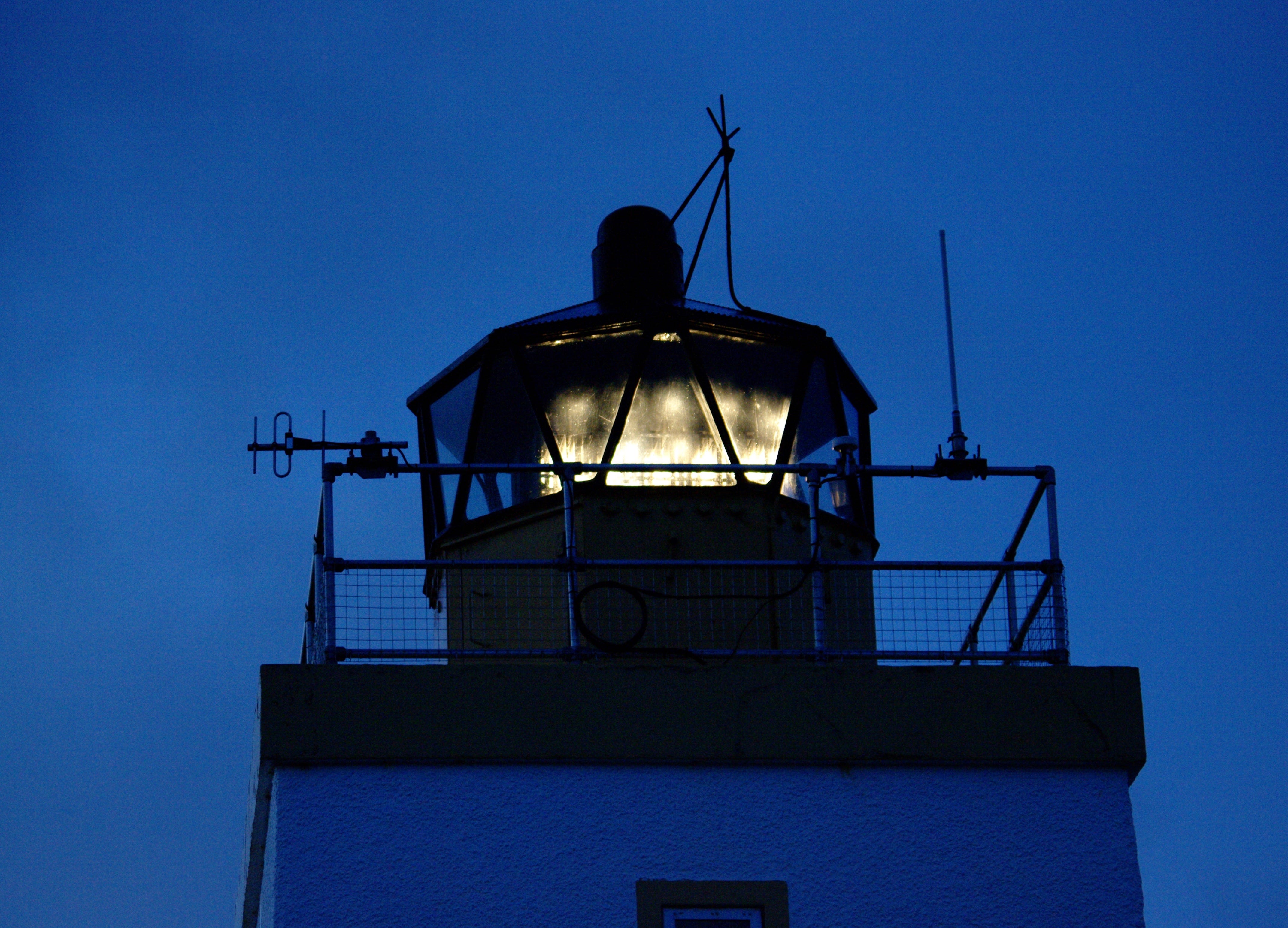
The lighthouse lantern turns in its distinctive pattern. When I stumble outdoors to walk the dog, usually around 9.00pm, its beam sweeps across the miles, slashing the distant sky, a warning and a reassurance. Close up, it seems decorative, warm and welcoming. I’ve been inside its massive walls, built to withstand hurricanes and worse. No matter the weather, it’s utterly silent in the keeper’s house. Which, if you’ve a mind, you can rent for holidays.
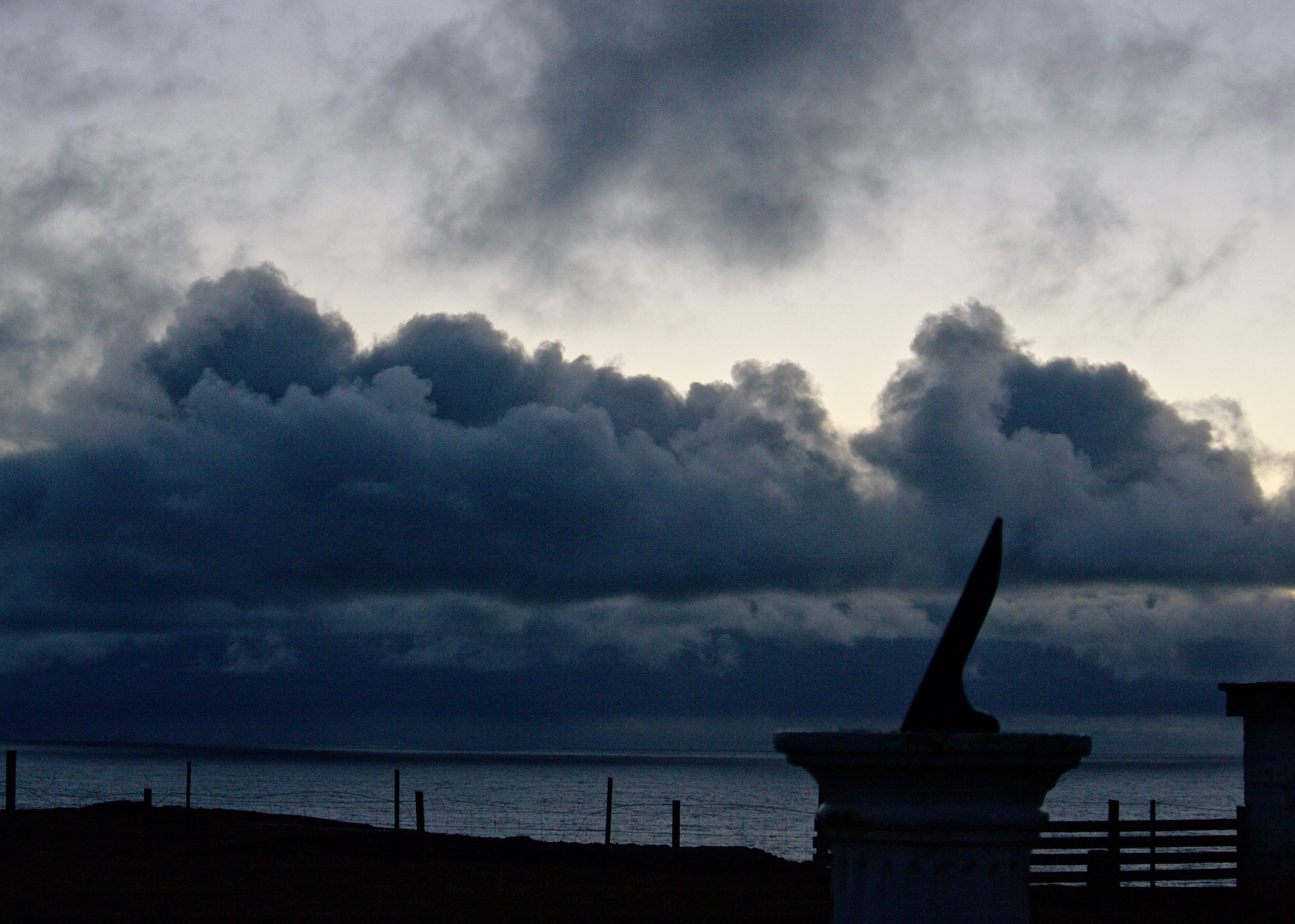
The clouds are blackening, the sky presses down. It’s been a hard weekend, the near-year of pandemic suddenly more oppressive than it’s ever been, rendering every movement, every action difficult. But sunshine broke through this morning amid the sprinkling of snow, and now, as the long night comes in again, it’s good to see the human machinery of illumination in action, beating back the darkness, telling of dangers, showing the way.
All photographs by Tom Morton

Leave a comment