
The Greenbelt Festival in 1976: God, mud, guitars and no rockets in pockets, please…
Fifty earth years. Five decades ago. It was 1976, punk was just beginning to encourage the bloody application of safety pins, the shearing of Silvikrin locks and a reduction in the guitar chords you could safely acknowledge knowing. Me, I was a student of 20, still wearing Seadog flares and trying desperately to grow a respectable beard.
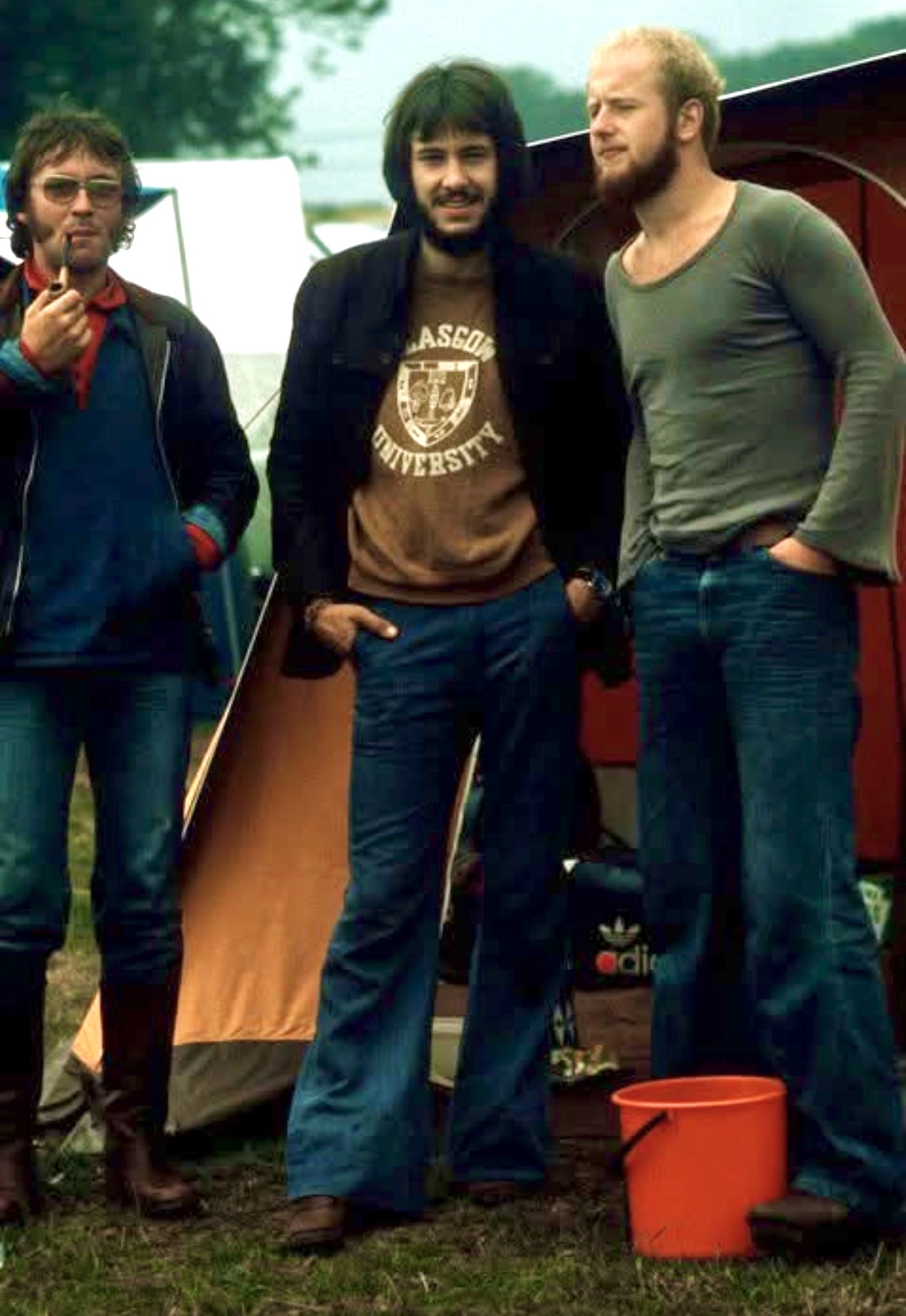
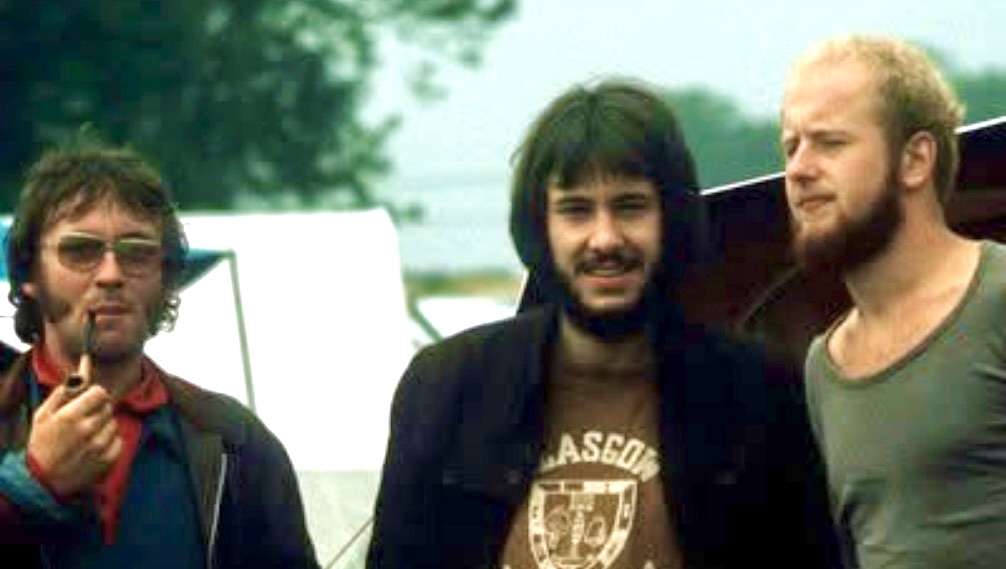
Albert Bogle, trendsetter, theology student and erstwhile lead singer with Ruth Sommerville of the Living Stones ‘Jesus Music’ rock band, had acquired a pair of drainpipe Levi jeans in the USA and insisted on wearing them in public with riding boots, to general consternation. He was old, maybe 26. Paul Openshaw, who had been in the USA with Albert, was a brilliant songwriter at the cutting edge of what wasn’t known as ‘alternative’ Christian music in Scotland. I was strumming my old Framus acoustic guitar and trying to emulate them.
Along with Living Stones (who recorded one now collectible and very valuable album, Jesus Music) main man Jim Sommerville, we were at the Odell Castle Estate in Bedfordshire for the third ever Greenbelt Festival. Greenbelt was then a groundbreaking experiment in, or collision between evangelicalism and the arts, originated two years previously on his own Suffolk farm by James Holloway and members of the touring ‘Jesus Family’ group. I’m grateful to the ‘Very Unofficial Greenbelt Festival History Facebook Group’ for reminding me of all this and for the programmes illustrated here.
1976 had been a long, hot summer, but the heavens opened in Bedfordshire that weekend, turning the festival site, with its open pit toilets, into a Biblical sludge of miry clay. The small-scale stars of the religious music firmament performed – Fish Co, After the Fire – but it was long-haired C of E Reverend (later Bishop) Graham Cray’s seminar on faith and popular music, which included an earsplitting playback of the Sex Pistols’ brand new Anarchy in the UK, that remains most in the memory. Cray insisting that he loved Little Feat, apart, he added rather primly, from the unacceptable sexuality of their song Rocket in My Pocket.
But it was all extraordinary. Camping. The guy who insisted on retrieving his toothbrush from the long-drop latrine. Unmarried couples in the same tent! People selling sandals made out of old tryes. There were burgers made of beans. Earnest seminars and alternative worship sessions. John Peck from Glasgow’s Bible Training Institute stretched our minds with the kind of philosophical delving into Kant and Camus you didn’t get at Bethany Hall, Troon. And there were girls in cheesecloth shirts and the last Afghan coats on earth.
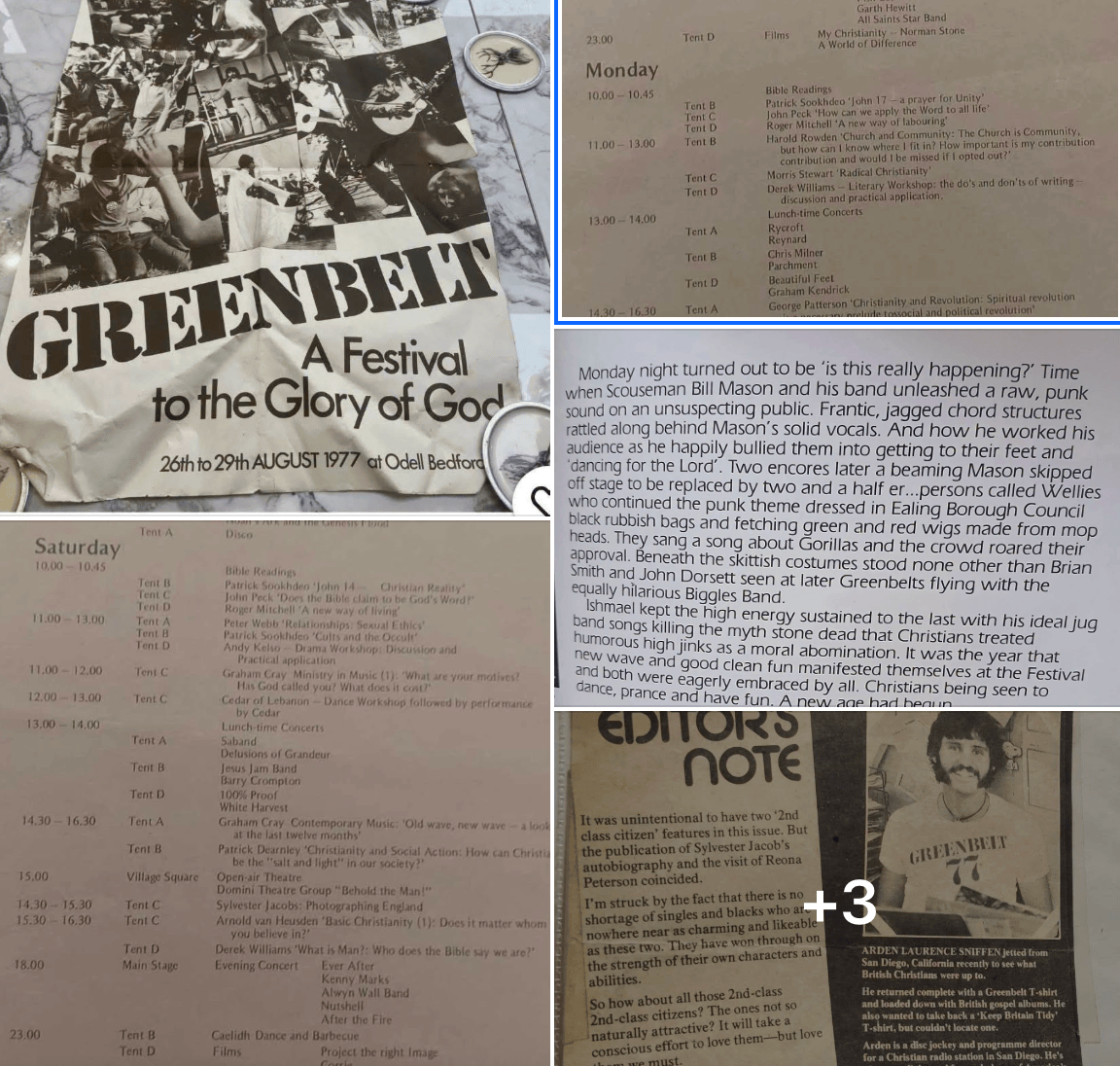
I grabbed a floor spot in one of the tent concert venues, and the folowing year played a set on the main stage. Albert, Jim and I returned in a ‘concept’ band called Delusions of Grandeur. The year after that, fronting The Prendergast Smythe Band (I know, I know), we put in one of the worst performances in the history of the festival and that was it for the Greenbelt Festival and me. A few years afterwards, evangelical Christianity and I parted ways as well.
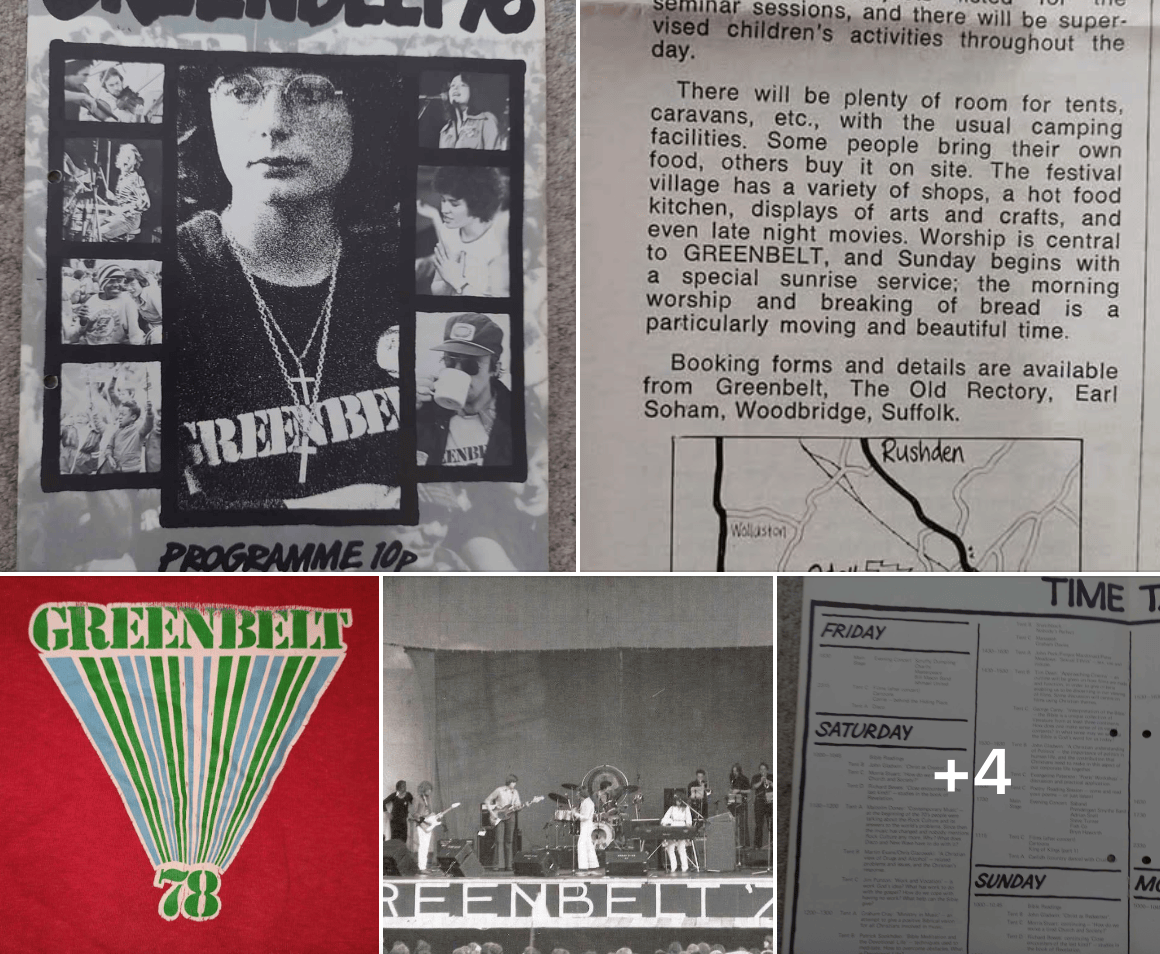
Greenbelt survived and indeed abides; it has morphed over the decades into something much bigger and more political. Acts like U2, Deacon Blue and perhaps inevitably Cliff Richard have played. It shook off its overtly fundamentalist roots and embraced a kind of woozy, left-wing internationalist, interfaith agenda that occasionally lurched, it seemed, into dissension and righteous chaos. The 2026 festival included bishops, various vicars, trans activists, artists, TV celebrities, journalists, Charlotte Church, Arrested Development and The Proclaimers, among many others. The festival’s origin story was still unrepentenly there if you looked for it.
The 1976 and then 1977 festivals were crucial for me, providing an insight into a world where art and belief could not just co-exist but feed each other in a way that transcended both propaganda and sanctimony. It was mud and bad burgers, cool, intimidating kids; wide-eyed Gospel Hall boys and girls desperate for adventure in every sense, for loud music, companionship and bigger, better ideas. Oh, and also applause, fame and fortune. It was a signpost: there was way out of that closeted born-again life.
I see the festival now brands itself rather vaguely as “we’re Greenbelt. We’re somewhere to believe in…Greenbelt Festival is somewhere artistry meets activism, where the political meets the practical.” There’s still muddy communion but a sense that Christianity, while acknowledged, is patted on the shoulder rather than fully embraced. It’s all a bit Church of England, but then, it would be: “We think there’s a spark that kindles the time we spend together at Greenbelt, and we call it God. (You might call it the gin talking; that’s fine too.)” Well, maybe. So long as it’s craft gin…and organic.
Anyway, back to that picture. Albert Bogle, smoking the pipe, progressed from the Findlay Memorial Tabernacle in Maryhill (where the baptismal tank is, or was in the shape of a coffin) via the Scottish anomaly that is the Anglican church of St Silas in Glasgow to considerable eminence in the Church of Scotland as minister and eventually moderator of the General Assembly. Retired, he is still active as a singer and originator of the ‘digital cathedral’ and online community that is Sanctuary First. He was one of the founders of the aid charity the Vine Trust. Paul Openshaw forged a considerable career in agriculture but has remained a performing musician and teacher, an eminent folk guitarist, songwriter and performer.
And as for me, well, I’m still here. Just about.
Jim and Albert drove us home in 1976 in a hired Ford Cortina that suffered a bit of damage in the trenchfoot paradise Odell had become. Paul lost a suitcase full of clothes on the M1 when it blew off the roofrack. We stopped in a country tearoom (very like the one in Withnail and I) where our demands for cream teas were regarded with terror. It was then I realised we looked like unwashed renegade hippies or worse. Honestly, I think it was those drainpipe jeans and encrusted boots that made the proprietor call the police.
Oh, and if you’re looking for The Pollokshaws Cadillac, volume 11, it’s here



Leave a Reply