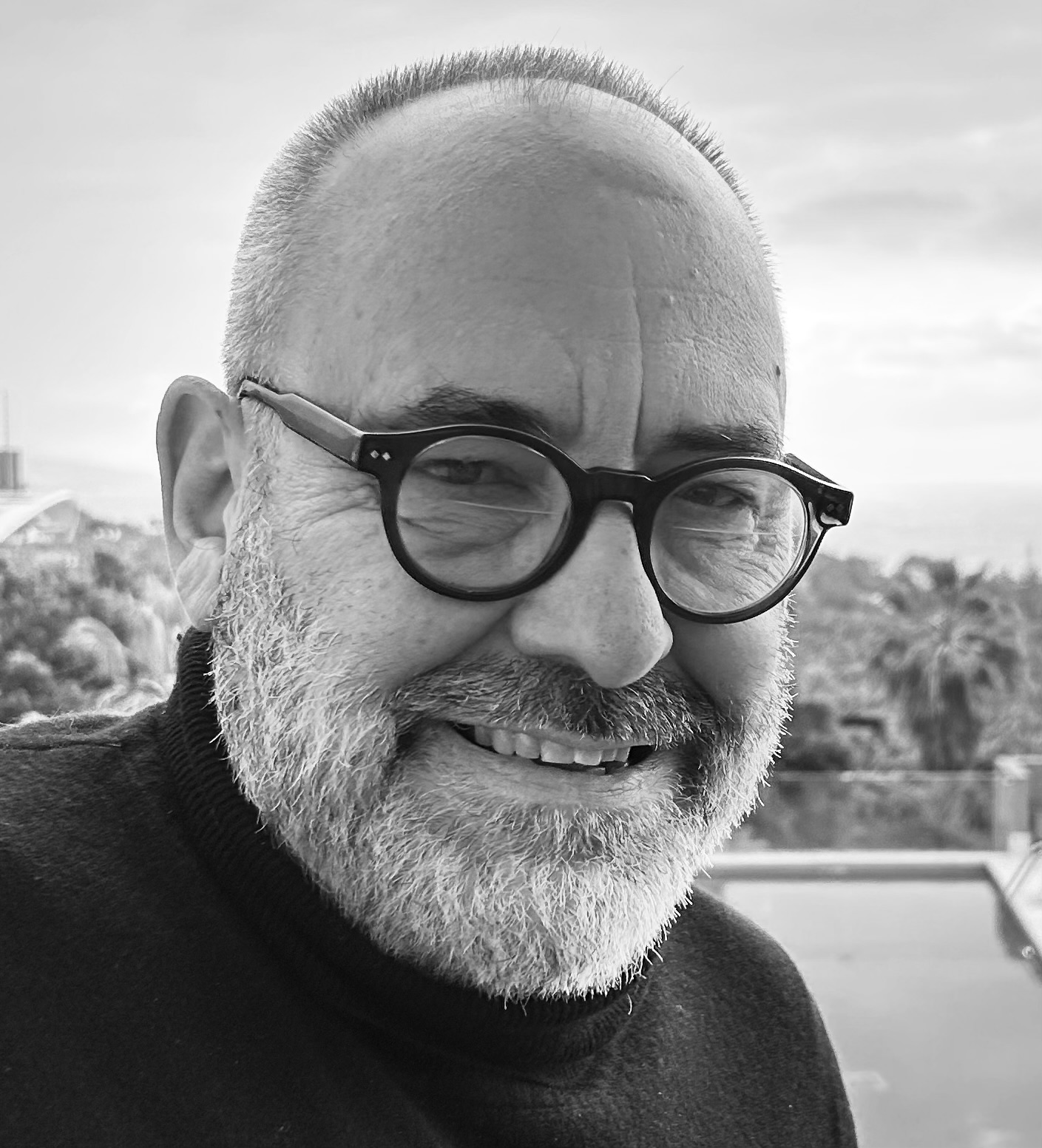
An ending. And a beginning
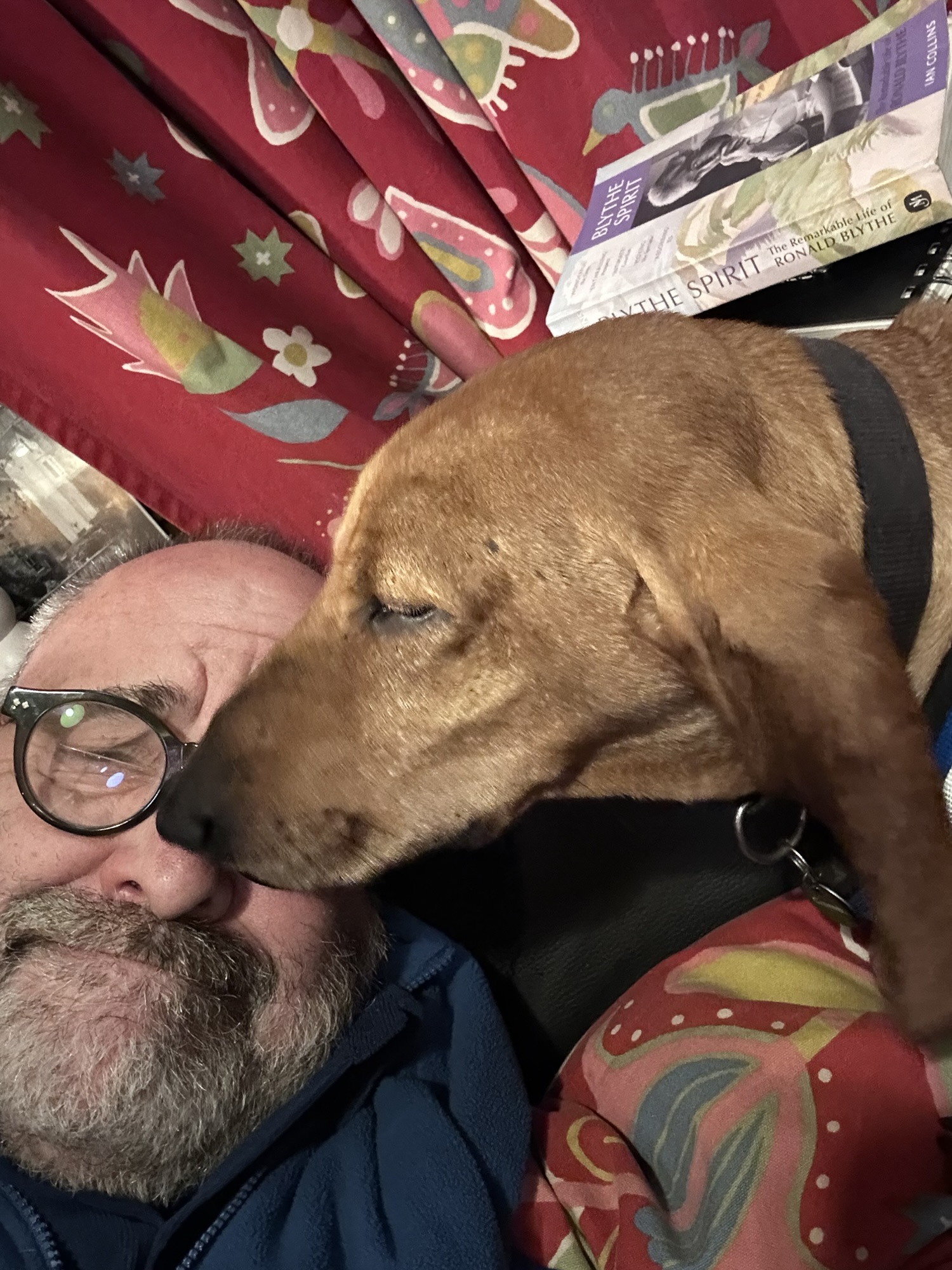
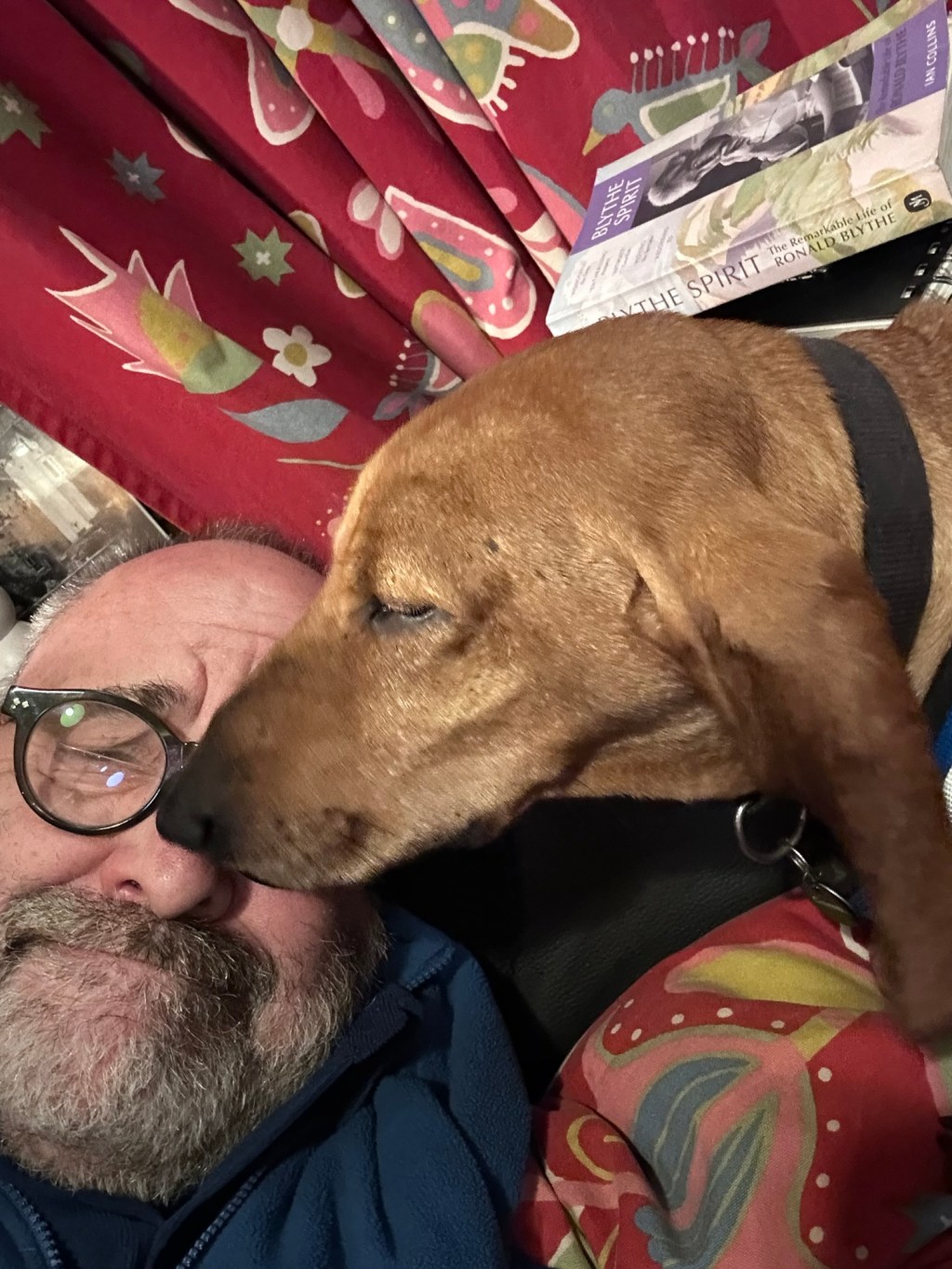
It’s easy to say that something or someone changed your life, but Hugo the rescue Segugio undoubtedly altered the way I lived. In that he insisted on waking up every morning about 5.00am, then getting up (and getting me up) for good by 6.30 am at the latest. Then it was out, back in, breakfast (something meaty: he despised kibble and wouldn’t even look at treats that weren’t 100 per cent dead animal) then a proper walk. First of four until he flaked out after his third meal of the day, around 9.00pm. By 10.30 pm I was asleep, preparing for another day of dog devotion.
November last year, this began. Everything else became subservient to the needs and whims of a five-year-old former pack hunting hound with abandonment issues. Even being hauled over a fence by him and the consequent broken ankle didn’t make me falter. I was in it for the long haul on that extendable lead. We lived in dogworld.
Hugo had come from Cyprus via Tracy, who had found herself unable to work due to Hugo’s separation anxiety. Segugios are pack hunting hounds that are often callously abandoned or simply get lost as they follow their ample noses in pursuit of anything catchable – rabbits, birds – but that genetic inability to resist the smell of potential prey is coupled with a complete and slavish devotion to their keeper, whoever he or she may be. And when I adopted him from Tracey, he attached himself to me.
If you’ve read Philip Pullman’s books you’ll know about his concept of a daemon – a creature separate from and yet so integral to a human that they become part of their being. From the moment he arrived in our house, that was Hugo to me. Everywhere I went, he had to come too. That included the bathroom. He would howl outside the door during a shower. A brilliant traveller in the car, leave him briefly to go the shops and he would bay at vast volume. The sound of a bereft Segugio is almost as earplitting as the noise one makes in pursuit of prey.
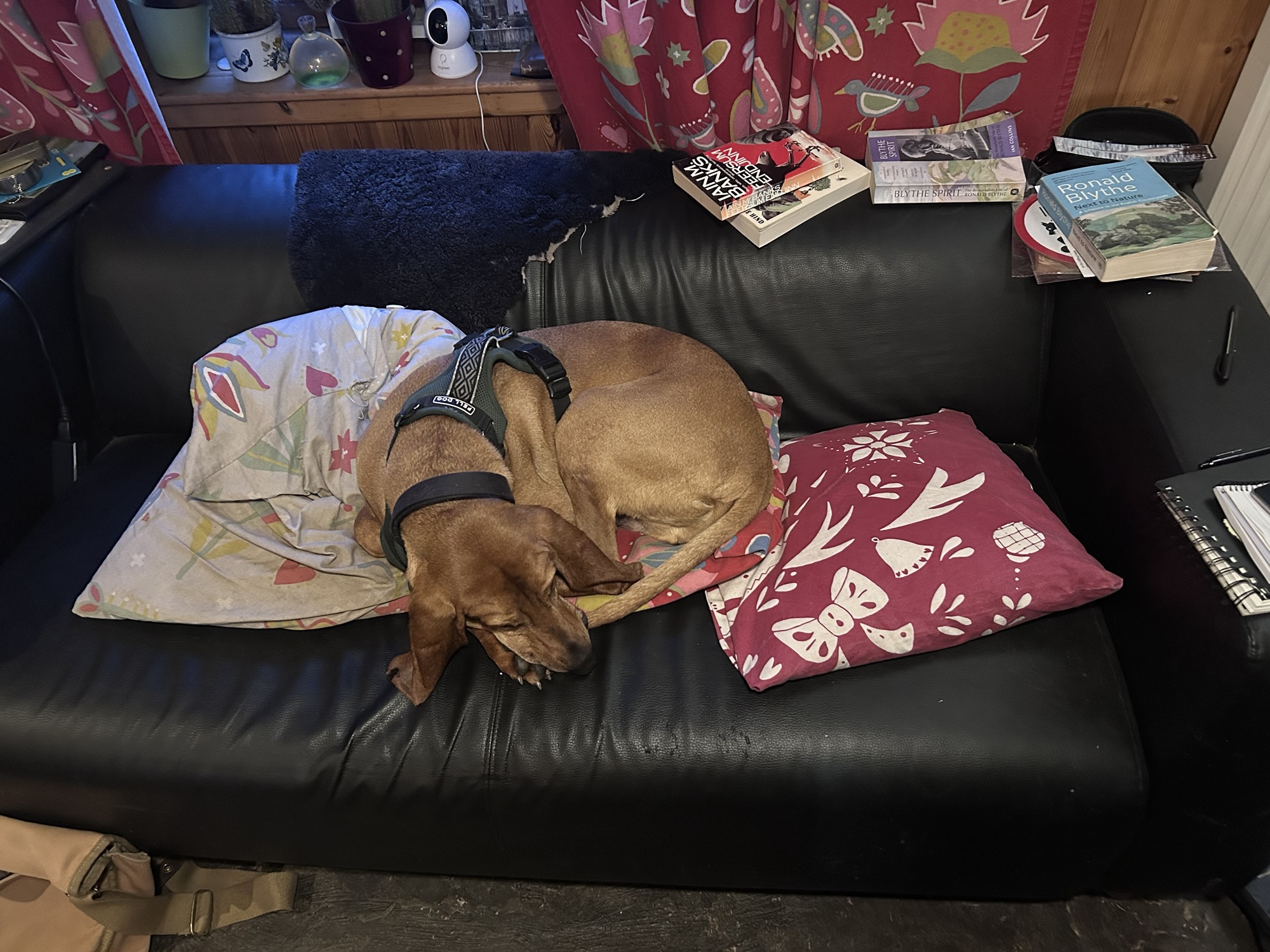
He had his various sleeping spots – not our bed, except for that 5.00 am wakeup cuddle – and soft toys. He was obsessed with Susan’s knitting and would steal and unravel wool at any opportunity. Useless with balls, he wouldn’t fetch and he had no recall whatsoever if he caught a scent; that meant he couldn’t be let off the lead unless under unperfumed or strictly controlled circumstances – open beaches or closed-off fields.
He was a problem. Reactions to visitors and children could be erratic, though never usually aggressive. He was easily frightened, nervous and hated being approached or surprised from behind. Certain things terrified him – walking sticks, Hoovers, brushes – and it was clear that at some point in his life he’d been abused, badly. He would bark furiously at postpersons and plumbers, but in crowds he was the model of good behaviour, quietly making his way by train to Glasgow and walking unbothered through the City centre.
For the household humans, going out alone for any length of time was almost impossible unless Hugo had constant company and twice as much exercise as normal. Our trip to Paris, long-planned, involved my daughter taking him on and consequent complaints from her neighbours about the constant noise. Dog sitters had to be hired, but without exception, they loved him.
It wasn’t so much that I loved him. He just became part of me, integral to my day, week, the years to come. I moulded my existence around him. No trips away without a pet cabin on the ferry. I ordered natural dog food, special chicken snacks, and he settled down, I swear, to the point where he would come back if I called him sometimes. Maybe.
But not when he chased the sheep. It was the SSEN guy’s fault . We were in the holiday cottage, having a stupidmeter installed, and a sheep was lurking, just pre-lambing, on the other side of the fence. Hugo saw, leapt, chased. Followed by me, followed by the lecky man. Segugios are fast, lolloping things, but he could not catch the sheep. He did corner her between a rock face and the sea, where I managed to grab the panting mutt and haul him past the weeping smart meter fellow and into the car.
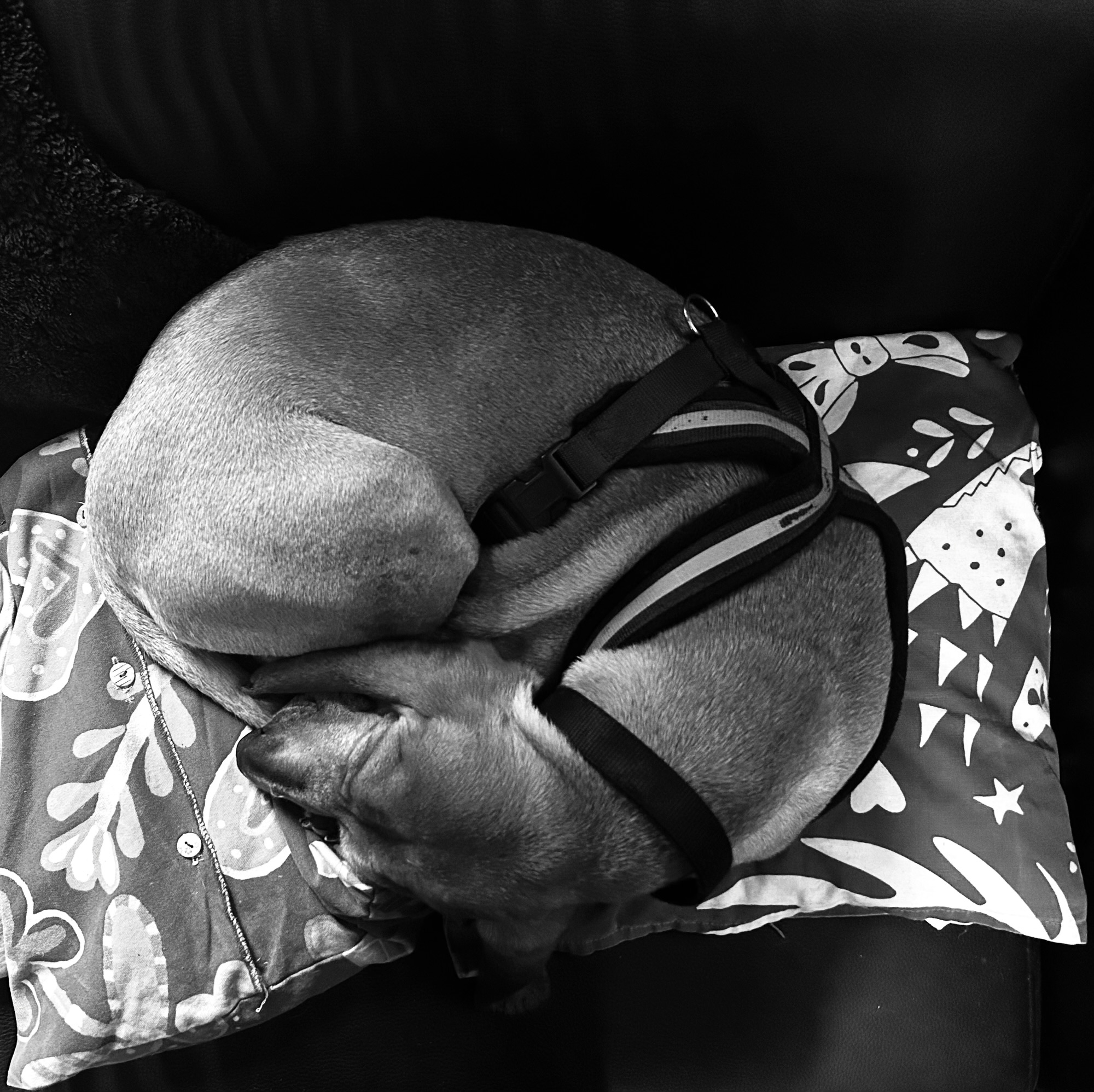
I may have been living in dogworld, but Shetland is the solar system of sheep. I had to apologise to the crofter (actually I got Susan to do it) and it took a good 24 hours for Hugo to regain any kind of equanimity. He then finally managed to grab a rabbit, which he then buried, dug up , buried, dug up, carried into the bedroom, buried and dug up before I wrested it from him and managed, after another full day and night, to calm him down.
He was high maintenance, no question. But I was committed. Even in this woolly-god-obsessed, rural environment, he was a keeper.
And then it all went wrong
He bit Duncan, our friend, ace electrician, essential component of survival hereabouts. Someone very used to dogs, kind to them, who had met Hugo on several occasions. But no. A bark, a settling down, some tail wagging and patting. A lunge and a bite; just a graze, not to worry said Duncan, who was nevertheless shocked,. I was too. Embarrassed. Fearful. it was just a protective instinct, wasn’t it? Territorial.
You’re meant to report a biting incident to the police. I didn’t and neither did Duncan. I mean, that’s for toonies and weapon mutts like pit bulls . This is deep country and he wouldn’t do it again.
Then he did. Worse, this was in public. A tourist met during a walk, staying at the local hotel. Medical treatment required. He’d acquired a taste for human flesh.
You can see specialist animal behaviourist for this kind of thing, but not here in Shetland. In Shetland crofting there’s a term for what happens to dogs who turn bad. They meet Doctor Shotgun. Investigation of the breed indicated possible Leishmania, a lifelong disease endemic among Cypriot Segugios.
I wasn’t going to shoot him. My licence and Laurona 12 bore were long gone. Besides, it would be like shooting my own leg off. Eight months. Eight months and now this.
But the facts were merciless: You live in a place like Shetland , you pay the prices. And I have nine grandchildren. His barking at and hustling of toddlers was one thing, but biting, with all the attendant physical and emotional scarring, wasn’t on. And Susan’s practice means people are in and out of the house all the time. Would anyone take this loud, energetic, needy, anxious, lovable but, let’s face it, aggressive and potentially sheep-worrying dog and look after him?
No.
We spoke to the vet. To family. To friends. And then we drove him (calm, how he loved the car) to the Bixter vet.
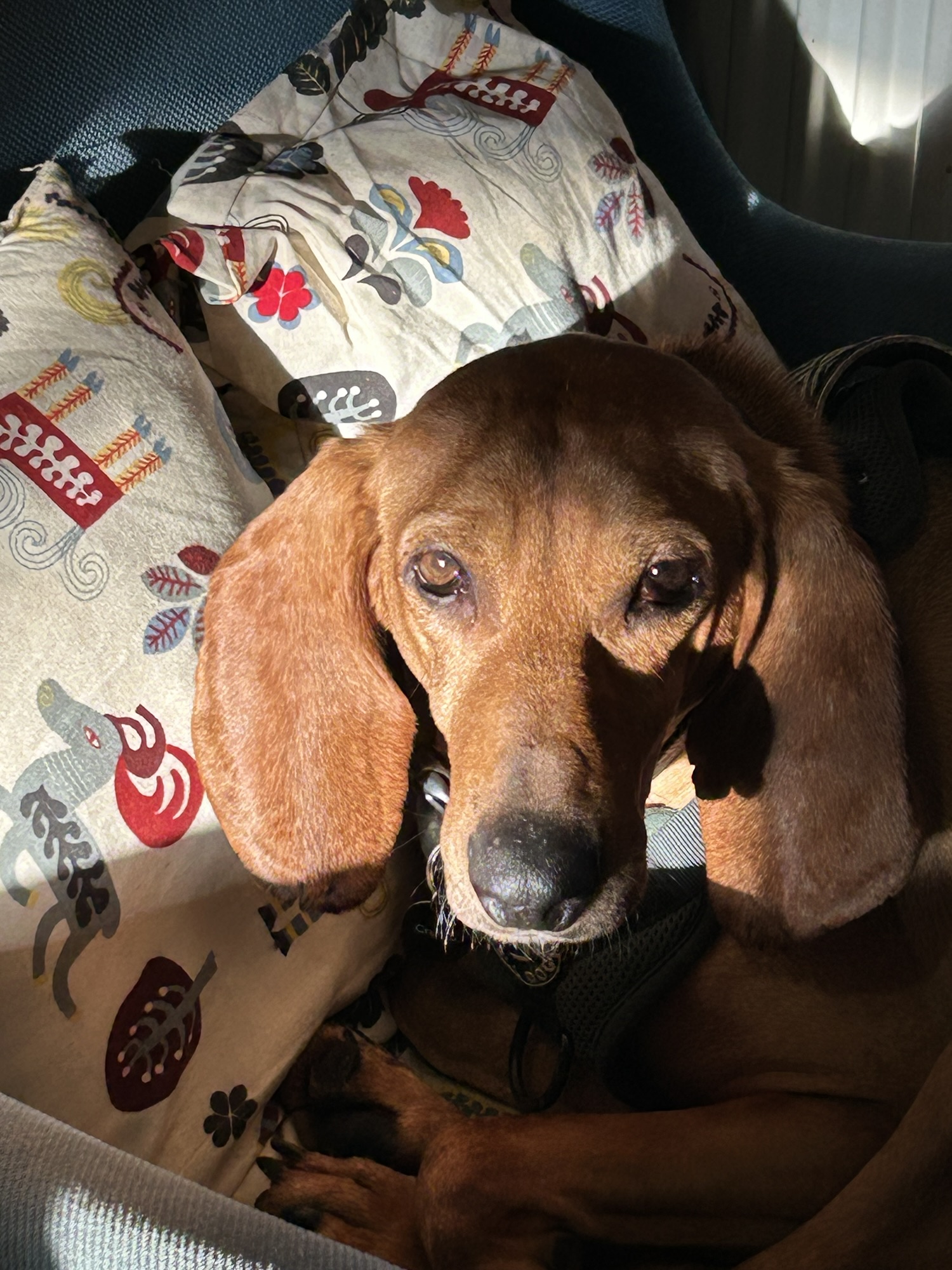
I’ll never do that again. Never have to sit in a vet’s surgery watching life ebb away by my choice. I mean, we’ve given numerous rescues long and happy lives, St Bernard’s, Staffordshires, mongrels like Big Blue and Dexter, whose loss the advent of Hugo was a reaction to. I can’t help feeling this as a failure worse than any before in my relationships with pets.
But in the end, the humans come first.
***. ***. ***
I wrote the above in June.
I kept waking at 6.00 am. All summer
There was no dog in dogworld.
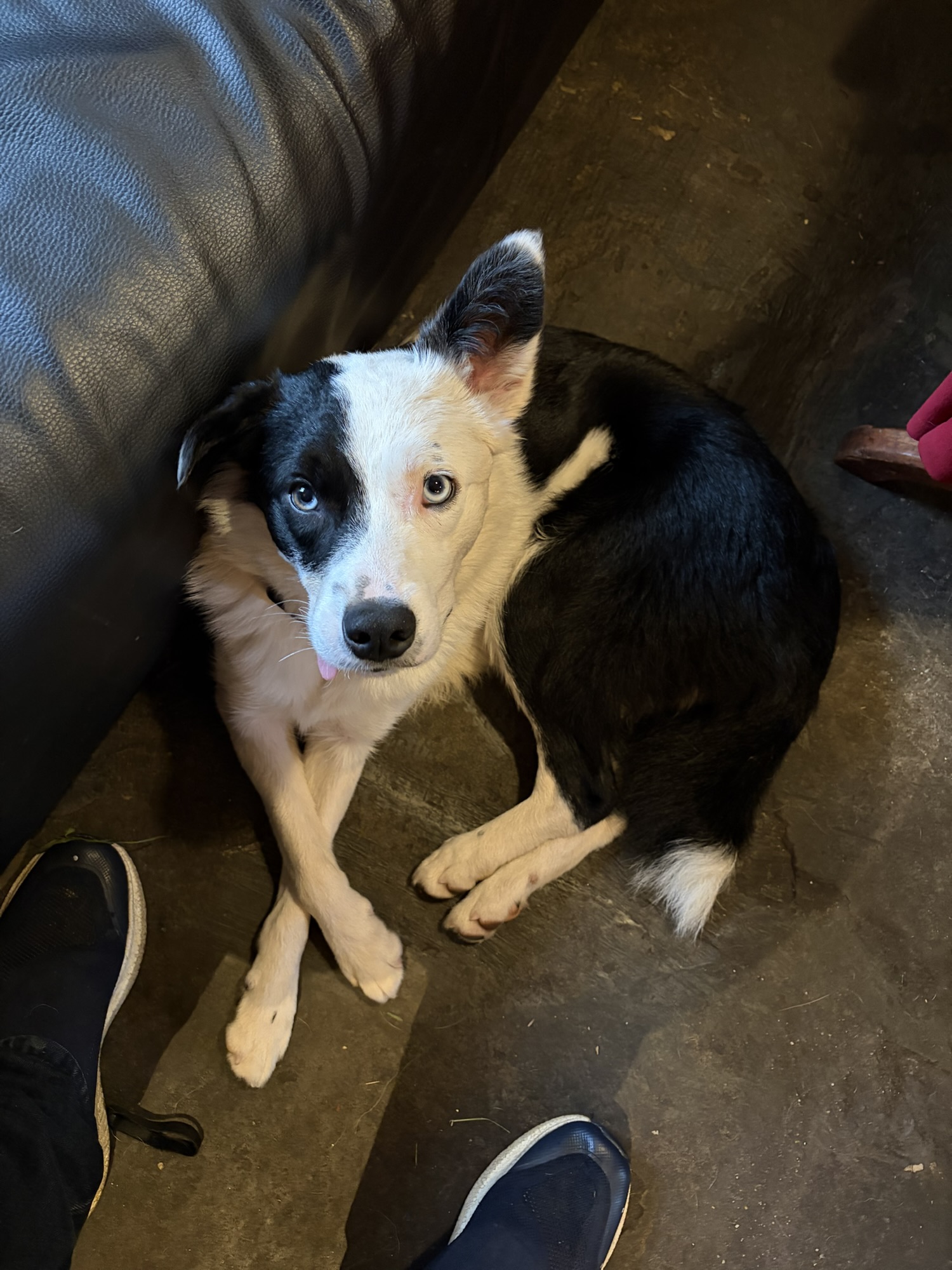
But now there is. Meet failed sheepdog Buzz. He sleeps in a crate. Every morning I wake him up.



Leave a comment