When pasta came to Pollokshaws (not by Cadillac)
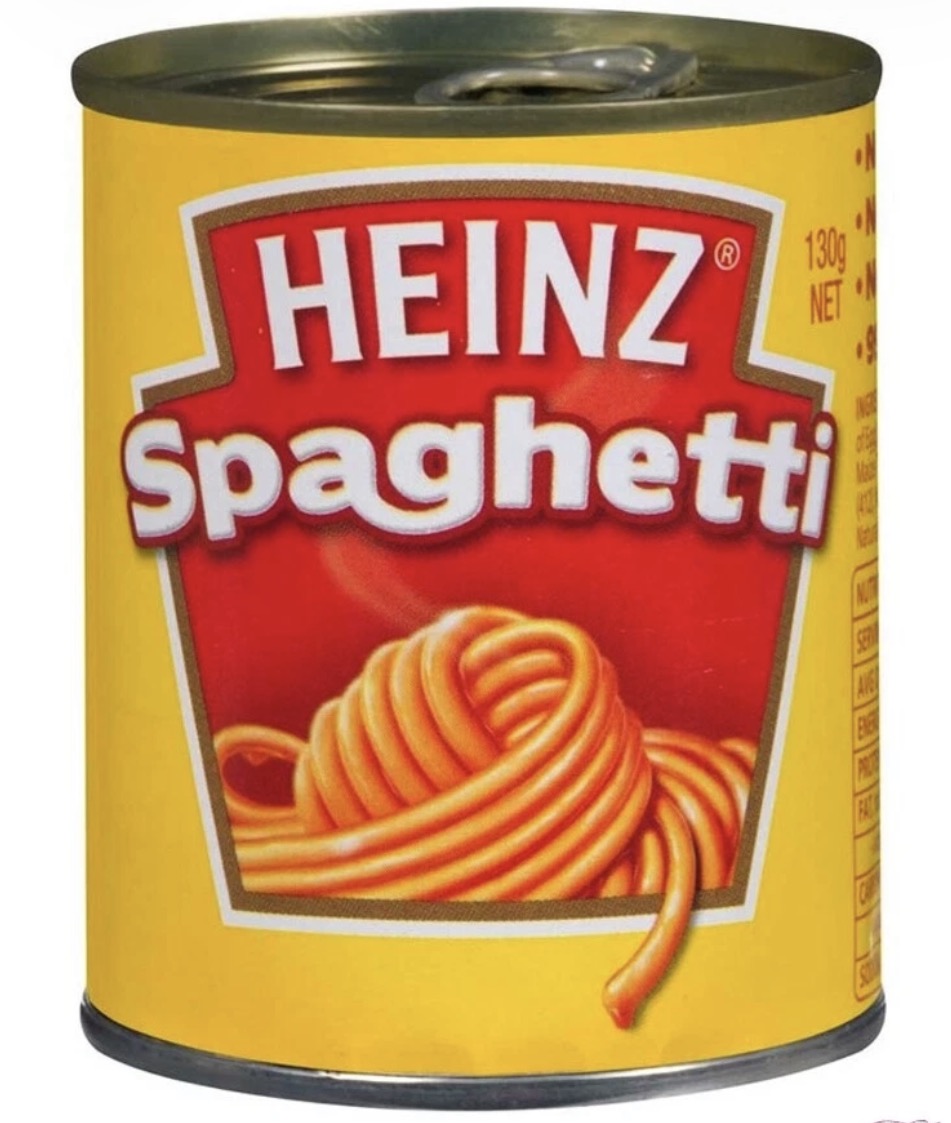
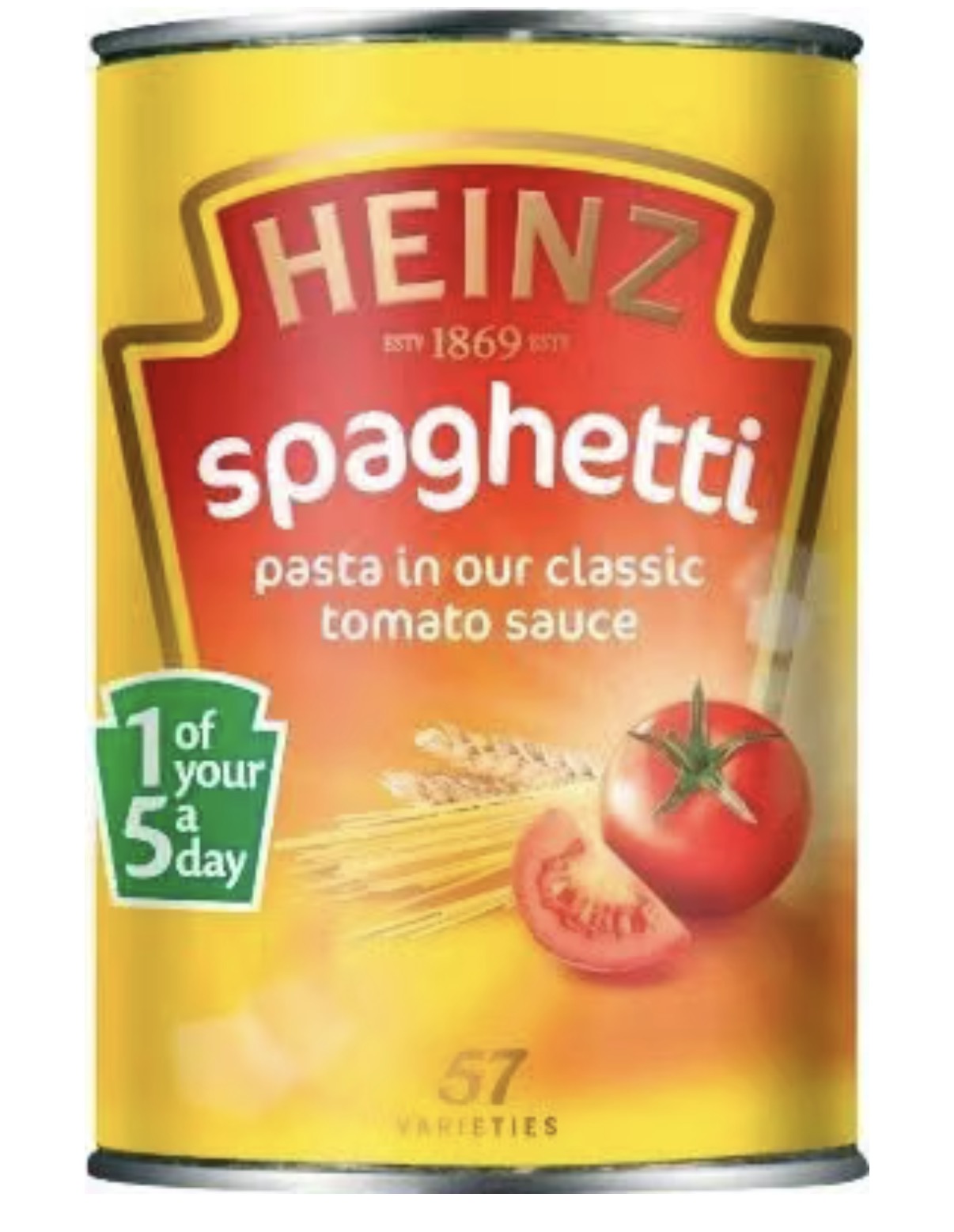
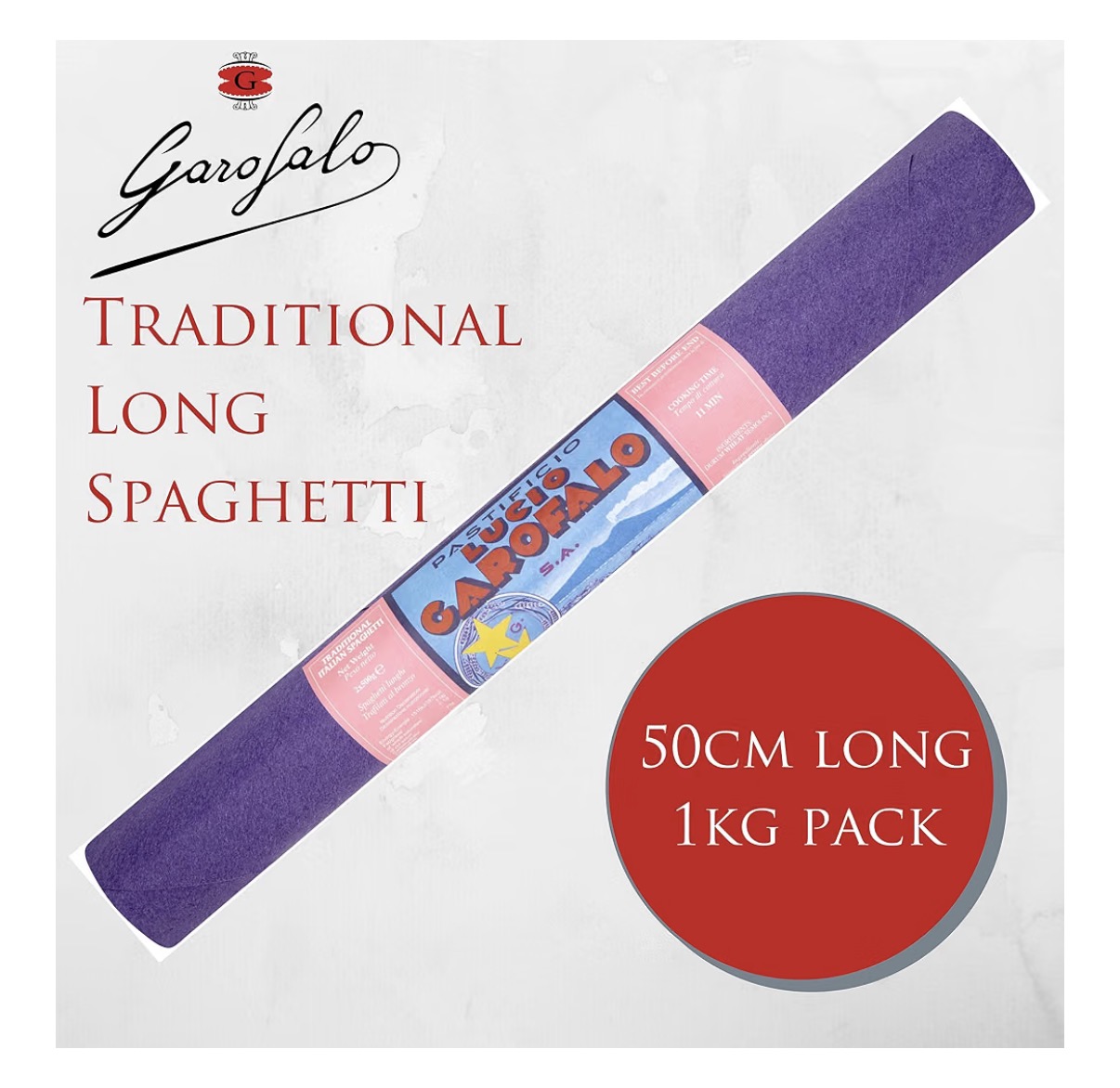
We didn’t know about pasta, the Mortons, not in the early 1960s in west central Scotland. We knew about spaghetti, though. It came in tins and was red, tangy-sweet with a sauce which was supposed to be tomato but looked more as if it was made from oranges. Heinz spaghetti. Before hoops, which didn’t arrive until 1969, the “little twine” (spaghetti) was chopped into white worms. It was soft, almost soluble in short, swallowable sections. I loved it. Then one day dad was presented with a gift from one of his patients. A strange, absurdly long paper package, thin, round and a virulent blue colour with a red and yellow label. Hard, like a broom handle. And this was somehow spaghetti too.
We were only a few years forward of the BBC’s infamous 1957 April Fool broadcast where legendary broadcaster David Dimbleby convinced a large portion of the nation that in Italy, spaghetti was cultivated in fields and harvested from spaghetti bushes. Several hundred people telephoned the Beeb asking for instructions on how they could grow their own in their gardens.
Dad was a dentist and we – me, my mother and two sisters – were crammed into the three rooms not taken up by his dental practice at 1425 Pollokshaws Road, Glasgow. At the time, the historic burgh of Pollokshaws was in chaos as old tenements were torn down, soon to be replaced by vast tower blocks. The house was caught between the redevelopment of Shawlands and the erasure of the old Shaws. Soon we would move 30 miles to the coast at Troon.
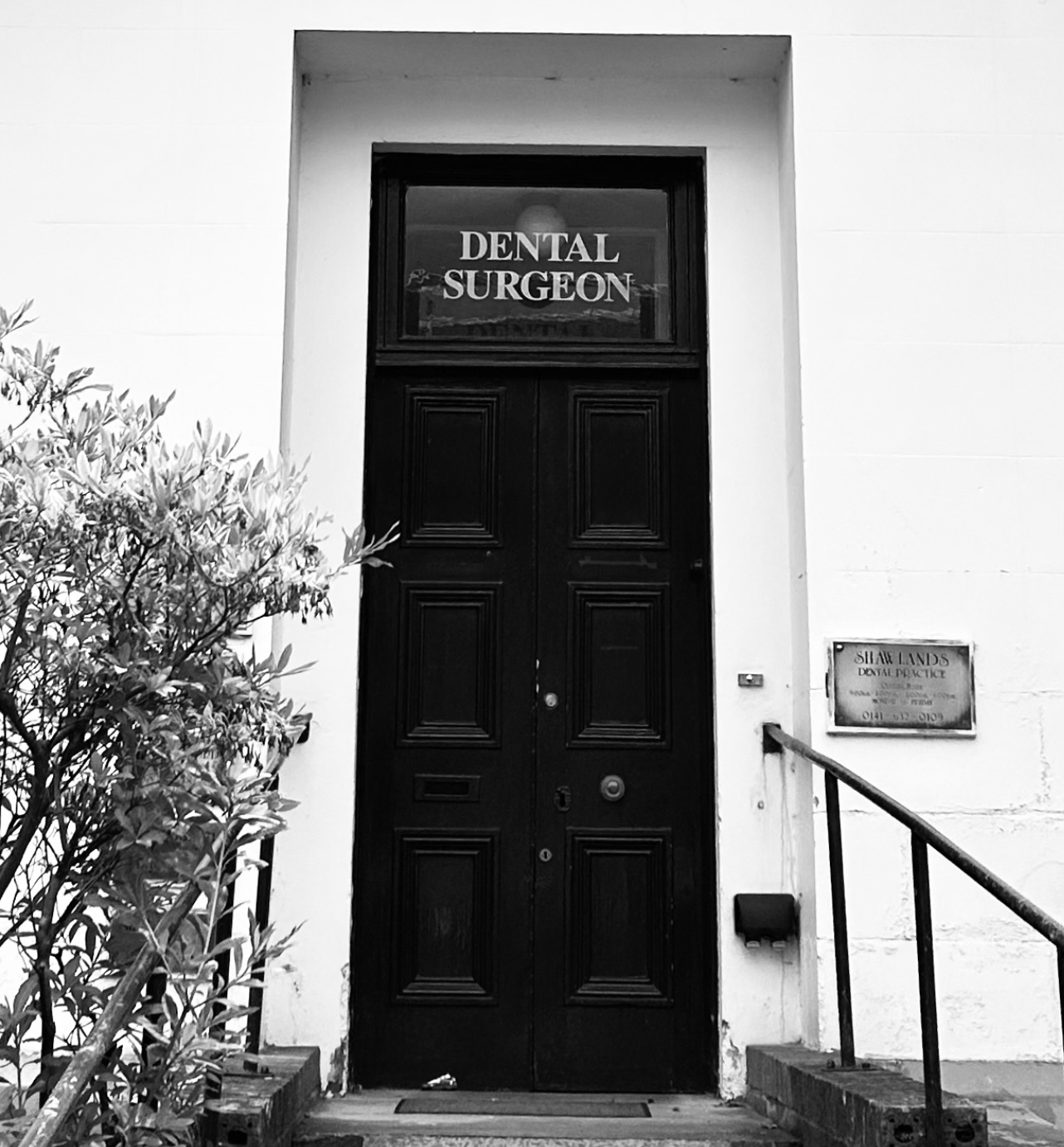
I stored up my Shaws memories: gas day, when black cabs would queue outside the surgery to take away howling, sick and bleeding youngsters, in for their “upper and lower clearances”, once seen as a generous Glaswegian 16th birthday present: an absence of decaying teeth and brand spanking new dentures was both economical and aesthetically desirable. It’s hard to believe but dad and a hired-in gas man would knock off dozens of general anaesthetics in an afternoon in the old front room of the house. Mum would take me and my sisters out, down into the centre of old Pollokshaws, where the River Cart, sometimes in spate, would froth yellow and toxic. We would gaze at it fearfully through rusty railings. We would wander home to the post-dental apocalypse past Dirty Dick’s scary junkshop, run by a man with a huge coat held shut by string; Greenview Gospel Hall, where we went every Sunday to Open Our Hearts and Let the Sunshine In, whatever that meant.
And suddenly, this new spaghetti. Dry, hard, long and alien. You had to cook it. Boil it into squishiness. If Italians lived in Scotland, we only knew them from the names on cafés like Nardini’s in Largs, or Coia’s in the east end, where you could get ice cream and fish’n’chips. The word ‘pasta’ was never used. I’m guessing the stuff in the blue wrapping was traditional Garofalo spaghetti pasta from one of the several old-school Italian delicatessens that existed in the city, like the long-lost Fazzi Brothers. Fifty centimetre pasta packages were once commonplace. You can still buy them. Garofalo continue to thrive in Gragnano near Naples, have done since 1789.
Dad had many patients from Glasgow’s immigrant communities, and I suppose this was from a grateful recipient of his famously gentle drilling touch. It looked outlandish, garishly packaged and branded, like a mysterious message from another world. Mum had never cooked such a thing before. But she took advice, and there on the tea table one day was this…stuff. White, coiled on a plate, slimy and steaming and sauceless, because a recipé for ragu hadn’t reached 1425 Pollokshaws Road. I was maybe six, and looked at this maggoty mess of thin, endless worminess in consternation. If it looked bad, it tasted worse, or rather of nothing. And it was slippery and just…not real spaghetti. The stuff that came all orangey red and chopped into pieces you could spoon neatly into your mouth, where its pungent sweetness satisfied, particularly if accompanied by sausages. Sausages,after all , were the boys.
I spat the horrible white stuff out. Dad told mum to take it away, and maybe tins were opened instead, sausages fried until they spat and blackened. Lawsons of Dyce. Mckellar Watt for Meatiness.
In the years to come, we would venture as a family to France and eventually Spain, carrying much of our food in the vast Sprite Musketeer caravan we towed behind various Veloxes and Zodiacs. Gradually encountering and learning to love or spit out everything from octopus to snails, nearly raw steak, cheese that reeked of drains, shrimp, mussels and astonishingly strange cold garlic soup. Croissants, churros, hard cylindrical bread.
But not pasta. And we never went to Italy as a family.
I did, for work many decades later. We stopped in a picturesque roadside café outside Rome, a team of loud and impatient TV people, and were served bad bread covered in blue mould, overcooked white linguine with a cursory slop of olive oil, salt and garlic, then tinned fruit salad heavy on pineapple chunks. On every other subsequent visit to Italy, including a holiday in Tuscany, the food has been uniformly terrible.
I know. Maybe I was unlucky. Chose stupidly. I still sweat at the memories of that Tuscan trip. The slimy pizzas, the rotten lasagne in Florence. Getting lost in a hire car in the back streets of Lucca, like a motorised version of Don’t Look Now, then getting fined several hundred Euro for doing so.
Back in Glasgow, I had learned to love proper pasta, served al dente in fragrant sauces from the likes of Fratelli Sarti and that wondrous institution, La Lanterna (still serving cream in its Carbonara, today; a Glasgow thing). The first wood-fired pizza oven in the city, at O Sole Mio in Bath Street, was a revelation almost as overwhelming as, more recently, my first exposure to Paesano (Neapolitan) or Sears (New York Slice). And then Sugo opened, doing for pasta what its sister Paesano had already done for pizza: fast, clever, authentic, high quality, well-priced food. Even when taken over by the otherwise dull Di Maggio’s. (Kids used to love the table magic back in the 90s, though!)
These days I can tell my spaghetti from my linguine or tagliatelle, my rotini from my radiatori. But just lately, my supermarket shopping has included a tin or six of Heinz “Spaghetti pasta in our classic tomato sauce”, adding to the mountain of cans Susan insists we’re stocking up. Just in case Putin decides to cut the undersea pipelines and cables or nuke the island of Unst (missile and bomber tracking station, space launch site, knitwear museum etc). I mean, a 400 gram tin contains one of my five a day.
Five a day of what, though? Well. Memories? And come the nukes, those will be important.